

The Dos and Don'ts of Decorating Your Master Bedroom
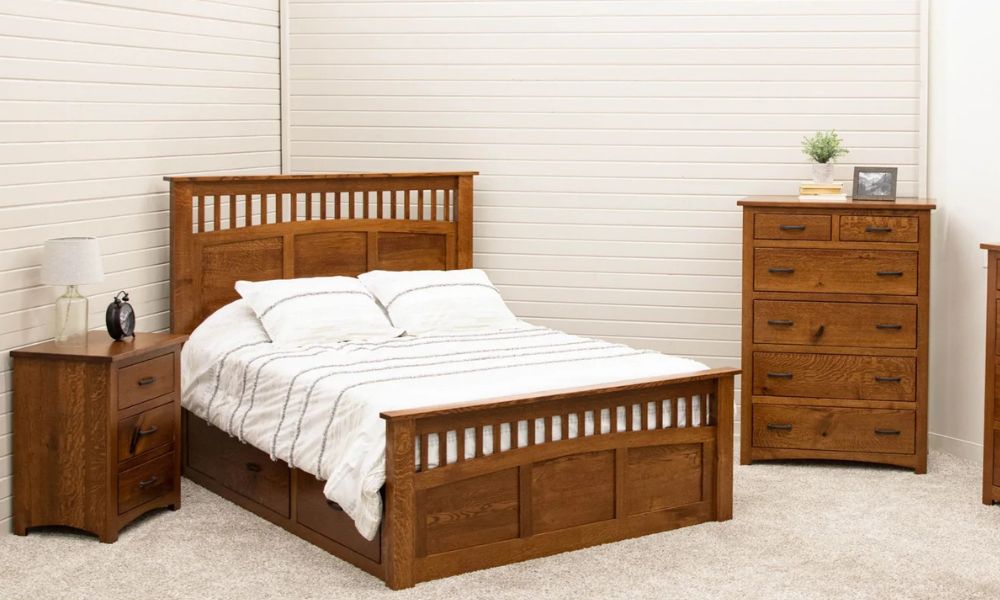
Your master bedroom does a lot. It’s where you get ready, wind down, fold the laundry you swore you’d put away yesterday, and finally take a breath at the end of the day. So, the dos and don’ts of decorating your master bedroom aren’t only about making the room look nice. They’re about setting up a space that fits your routine, your furniture, and the way you want to feel when you walk in.
DO Measure First
Before you start shopping for a bed frame, dresser, chest, nightstands, or any other bedroom furniture, grab a measuring tape and get familiar with the room. If you don’t know the size of your bedroom, you could end up purchasing pieces that don’t even fit through the door.
The measurements you need to take include:
- Wall Length: Measure each wall from corner to corner. Use these numbers to compare against the width of the furniture you’re considering.
- Doorways: Measure the width and height of the bedroom door. Do the same for any hallway doors the furniture needs to pass through.
- Walking Space: Measure the open floor area around the bed. Leave room to walk without squeezing between pieces.
- Window Placement: Measure from the floor to the bottom of each window. This helps you avoid placing tall furniture in front of natural light.
- Closet Clearance: Measure how far the closet doors open. Furniture placed too close can block your closet.
You’ll want to measure in inches, since most bedroom furniture dimensions are listed that way. Once you have your measurements, jot them down on a piece of paper or in your phone’s notepad so you can easily reference them when sitting at your desk shopping online or browsing in-store.
DON’T Buy Accessories Before Anchor Pieces
Now that you have your measurements, you can start shopping. But don’t make the mistake of getting enamored with lamps, mirrors, bedding, or wall décor before you have your anchor pieces picked out.
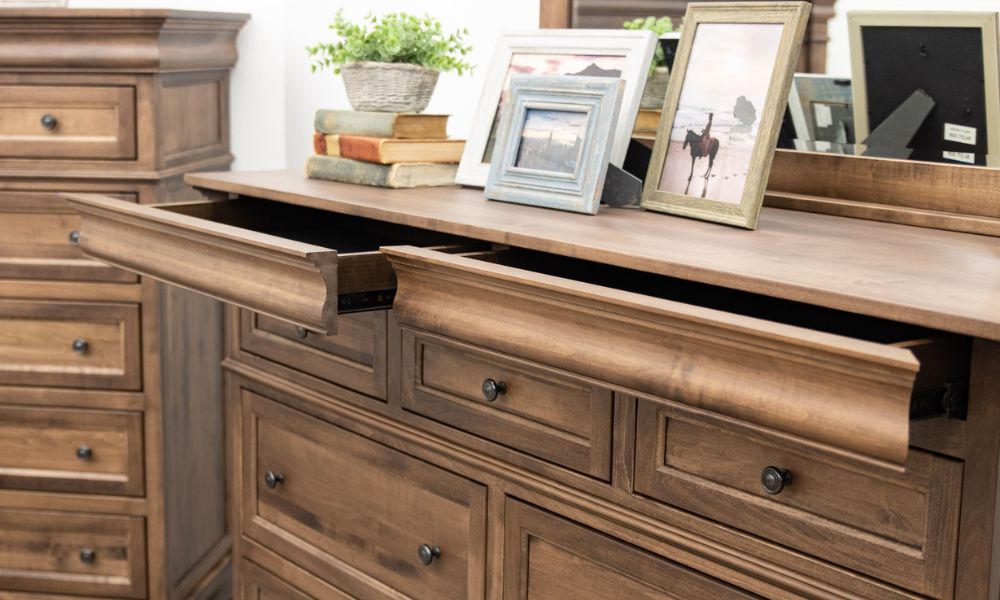
Your anchor pieces are the larger furniture items that shape the room. In a bedroom, that usually starts with the bed. From there, you can choose the dresser, chest, or nightstands based on how much storage you need.
Accessories should come after those pieces because they need to fit the furniture, not the other way around. A rug that looks perfect on its own can end up partly hidden under the bed or too narrow for the space around it. The same goes for lamps that sit too low beside a tall headboard or artwork that doesn’t fit above a wide dresser.

DO Choose Calming Colors and Comfortable Materials
Your bedroom should help you settle down at the end of the day, so pay attention to the colors and materials you bring into it. Bright colors can work in other parts of the house, but they can feel too busy in a bedroom when you’re trying to rest.
Calmer colors like warm neutrals, muted blues, soft greens, and gentle earth tones can help the space feel easier to spend time in at night.
Materials matter too. Solid wood furniture can bring a warm, grounded feeling to the room, especially when you pair it with soft fabrics like cotton bedding, upholstered seating, or a simple area rug. The goal is to choose finishes and textures that help the bedroom feel comfortable instead of overstimulating.
DON’T Place Before You Plan
Before you start moving furniture around, sit down with a sketch of your bedroom and think about where you want each piece to go. Layout is a science. You might be able to squeeze all your furniture in, with room to walk, if you arrange it one way; but switch the bed and dresser, and you’re suddenly doing a weird little sidestep to get to the closet.
Planning beforehand allows you to see how pieces work around each other before they’re in place. Does the bed placement leave enough room for nightstands? Does the dresser have space for the drawers to open? Does the closet door clear the furniture nearby? Does the walkway from the bedroom door to the bed feel open enough for everyday use?
A simple sketch can save you from moving the same dresser four times. Mark the windows, doors, closet, outlets, and vents before you choose your layout. Then place the bed first and build the rest of the room around it.

DO Put Function Before Style
When arranging your bedroom, give everyday comfort the first say. Yes, your dresser may fit perfectly in that corner, but think about things practically. Do you really want to walk around the bed every time you need a clean pair of socks?
Your bedroom is where you spend time getting ready and winding down before bed. You want it to be comfortable, not frustrating; otherwise, you could end up winding yourself up over small inconveniences every night, which could make it difficult for you to relax.
Function should guide the layout first. Keep the pieces you use most in places that feel natural for your routine. If you read in bed, leave room for a nightstand and lamp. If you get dressed in the bedroom, make sure your dresser, mirror, and closet are easy to reach without turning the room into an obstacle course.
Set Up a Bedroom You’ll Actually Want to Use
Hopefully, these dos and don’ts of decorating your master bedroom have given you some ideas for setting up your suite. Your bedroom should be a place you can rest and recharge at the end of the day. The best way to shape it is to ask yourself, “What do I find comfortable, useful, and easy to live with?”
At Dutch Craft Furniture of Berlin, we have the furniture you need to fill your bedroom. We sell handcrafted Amish bedroom furniture in Ohio, from beds to dressers to nightstands. Our pieces are made by local Amish artisans out of solid wood, which brings a warm, natural feel to the bedroom. Shop our bedroom furniture today and see if any of our pieces catch your eye. We make our pieces to order, so we can accommodate the custom details you can dream of.