
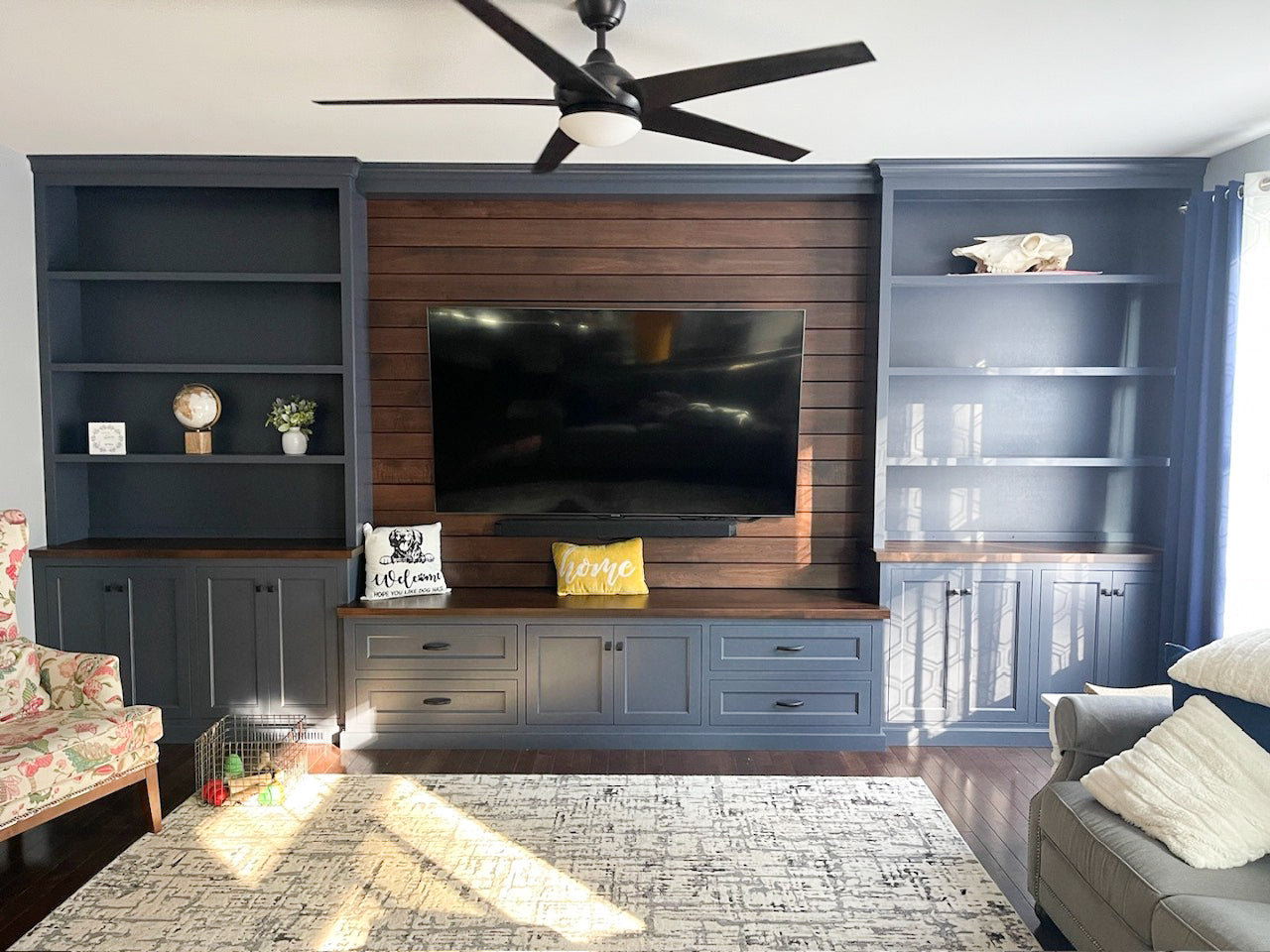

The Importance of Considering Scale When Choosing Furniture
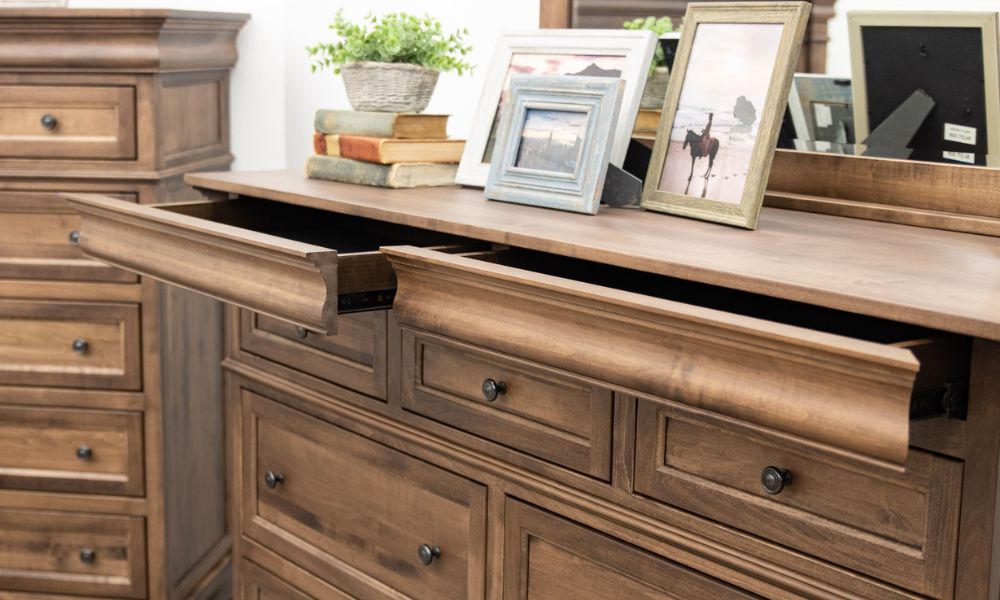
Have you ever brought home a piece of furniture that looked perfect in the store, then got it into the room and realized something felt off? Maybe it fit the wall, but it swallowed the space around it. Maybe it looked smaller than you expected once everything else was in place.
That’s why considering scale when choosing furniture deserves more attention than people give it. It helps you look past basic measurements and choose pieces that feel right in the room, not just pieces you can technically squeeze into it.
What Does Scale Refer to in Furniture?
You’ll hear a lot of measurement terms while shopping for furniture, like width, length, height, and depth. Those numbers tell you the physical size of a piece, but scale goes a step further. It answers whether the piece actually fits the space in a way that looks right and works well.
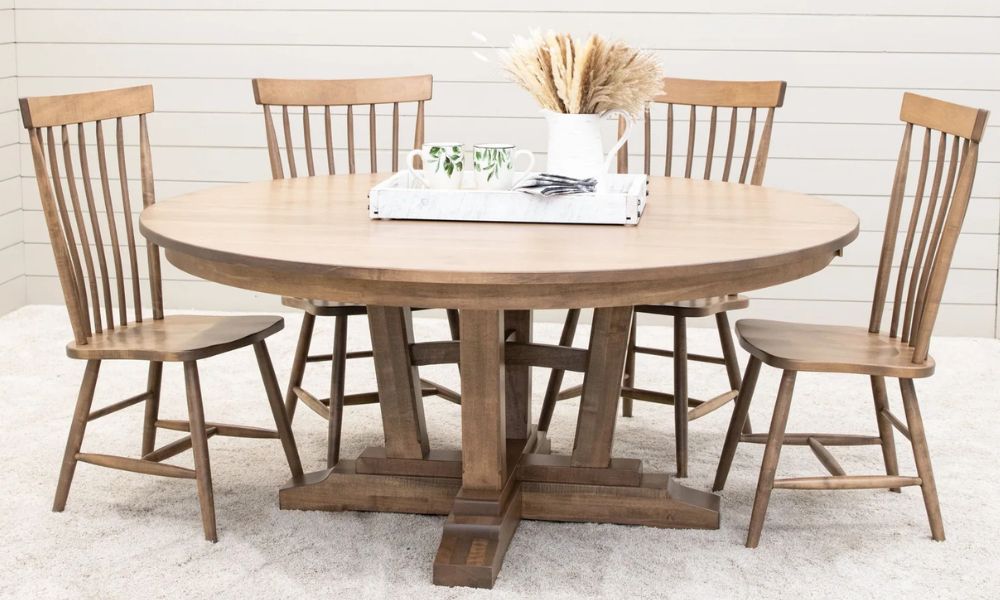
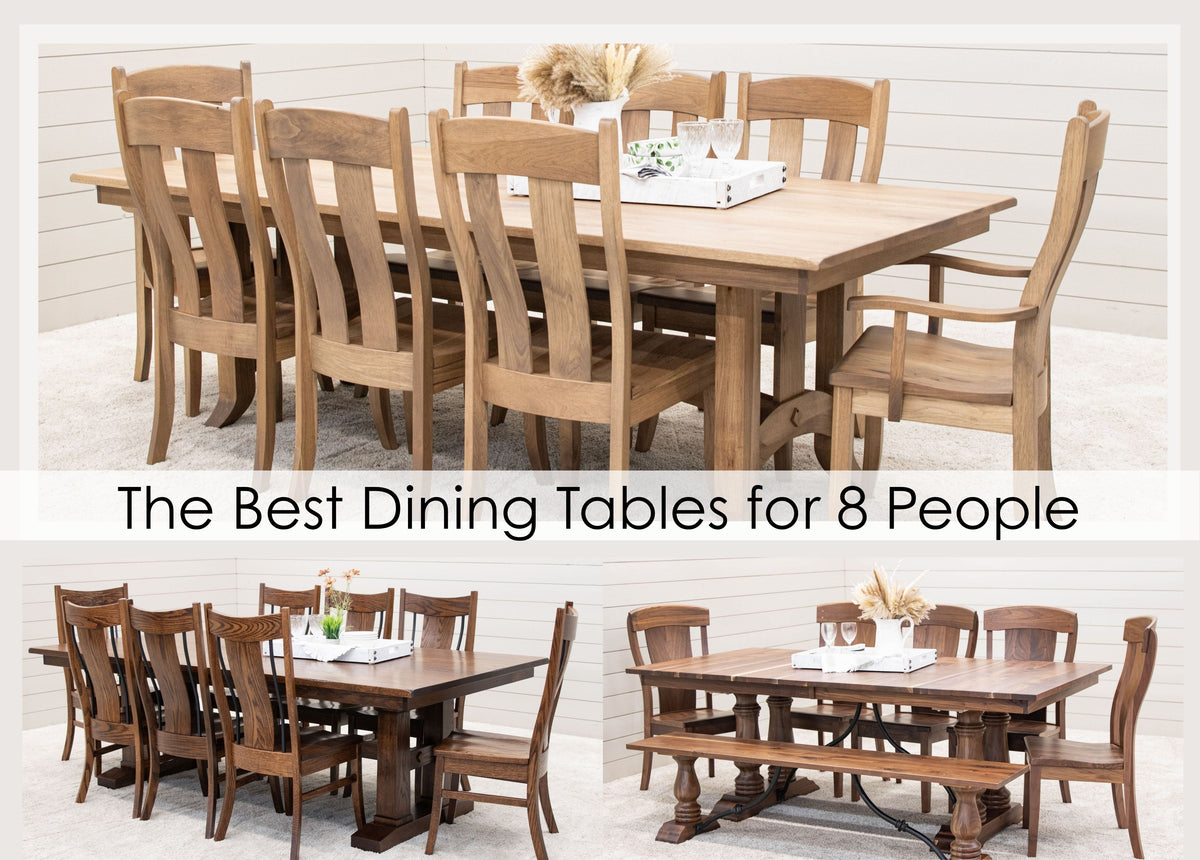
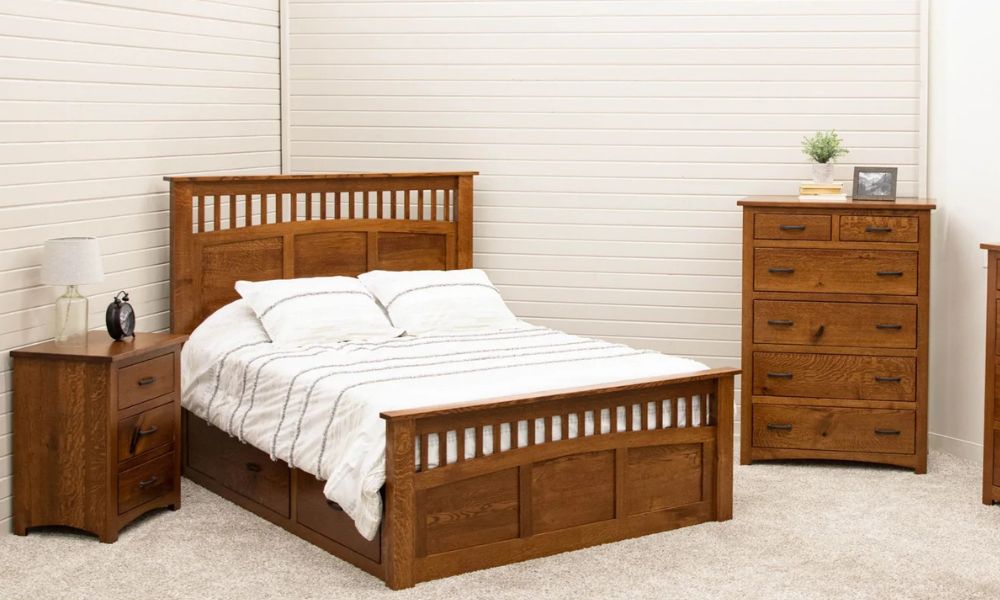
A dining table can have the exact length you want and still look too bulky for the room. A bed can fit against the wall and still feel too tall or too wide once nightstands, lamps, and walking space come into play. When you consider scale in addition to measurements, you get furniture pieces that don’t just fit the room physically; they fit the room visually and functionally, too.
Why Does Scale Matter?
Scale affects how a room looks, feels, and functions day to day. It’s not only about whether furniture can physically fit inside a space. It’s also about how comfortably people can move around it, how balanced the room feels, and whether each piece suits the way the room gets used. Here’s where scale starts to show its value.
It Affects Comfort
Comfort depends on how much usable space remains once the furniture is in place. If a piece takes up too much room, the space starts feeling tight during normal use, even when the measurements looked fine on paper. People need enough clearance to sit down, stand up, walk through, and reach nearby surfaces without feeling boxed in. A bed that leaves only a narrow path along one side is a good example of how scale can chip away at comfort.
It Shapes Visual Balance
Visual balance comes from how much space a piece seems to take up once it’s in the room. Furniture with a taller profile or a heavier build can pull more attention than the room can support, which throws the whole setup off. Scale helps prevent one piece from visually overpowering the others. It also keeps the room from feeling sparse when the furniture is too slight for the space.
It Changes How the Room Functions
A room has to work once real life starts happening in it. People need enough space to sit down, get up, open drawers, pull out chairs, and move around without adjusting their routine to the furniture. Good scale protects that everyday usability. When scale is off, the room starts feeling harder to use even though every piece technically fits.
It Keeps Pieces in Proportion
Furniture needs to make sense next to the pieces it lives with. When the scale between neighboring pieces is off, the setup can feel unfinished or awkward to use. A larger piece can make a smaller one seem skimpy, while a smaller piece can fail to give enough support where it’s needed. Good proportion helps the room feel cohesive and helps each piece do its job better.

How Do You Choose the Right Scale for Your Home?
Choosing the right scale starts with looking at how the room needs to function once the furniture is actually in it. A piece can look great in a showroom or online and still feel too large, too small, or awkward once it’s surrounded by your walls, walkways, and other furniture. Before you choose a size, it helps to slow down and ask a few practical questions.
How Much Open Space Does the Room Need?
Don’t look only at the footprint of the furniture. Look at the space you need to keep around it. People still need to walk through the room, pull out chairs, open doors, and move around comfortably once everything is in place.
What Else Has to Fit in the Room?
One piece never lives alone. A bed also needs room for nightstands, a dresser, and walking space. A dining table needs space for chairs to be used normally. Looking at the full setup gives you a clearer picture than measuring for one item by itself.
How Tall Should the Piece Feel in the Space?
Height changes how furniture reads in a room. In a room with lower ceilings, very tall furniture can feel imposing. In a larger room with more wall space, shorter pieces can feel undersized. The goal is to choose a height that feels in proportion to the room around it.
How Bulky Does the Design Look?
Two pieces can have similar measurements and still feel very different in size. Thick arms, wide legs, deep bases, and heavy framing all make furniture feel larger. Cleaner lines and more open space around the frame can help a piece feel less dominant.
How Will the Room Be Used Every Day?
A formal sitting room and a family dining area won’t need the same amount of breathing room. Think about how people actually live in the space. If the room gets a lot of daily use, the furniture has to leave enough space for real movement and routine use.

Finding The Right Fit
Getting the size right isn’t only about making furniture fit. It’s about choosing pieces that feel right in the room, leave enough usable space around them, and work with the way your home actually gets used. Once you start paying closer attention to the scale when choosing furniture, it gets much easier to spot what belongs and what doesn’t.
Whatever size furniture you need for your home, Dutch Craft Furniture of Berlin has your back! We sell Amish furniture in Berlin, Ohio. All our pieces are made-to-order by talented Amish craftsmen. What’s nice about our furniture being handmade to order is that you have more control over the size and details. Our collections come in several standard size options, and we can also take custom dimensions. If you’d like a new wooden dining table, bed, desk, or dresser for your home, explore our available furniture or reach out about a custom order.