

How Your Home's Furniture Can Affect Your Mood
Do different rooms in your home make you feel different things? For example, do you feel anxious or tense in your home office, but calm and at ease in your living room? That's because your home's furniture can subconsciously affect your mood.
When shopping for furniture, people rarely stop and think, how does this piece make me feel? They're more focused on if it matches the rest of the furniture in their home, if it'll fit, and if it’s within their budget. But mood should absolutely be a consideration when bringing any new piece back to your living space if you want to surround yourself with positive emotions rather than negative ones. Here are some of the ways furniture can shape your mood to help you understand just how important the selection of it is to your overall well-being.

Color Can Calm You Down or Wire You Up
Different hues trigger measurable physiological responses in the body. Warm colors like red and orange raise your heart rate and increase energy levels. Great for a workout space, not so great for a bedroom where you're trying to wind down. Cool tones like blue and green activate the part of your nervous system responsible for rest and recovery. Neutral tones like beige, tan, and warm white tend to reduce visual noise and lower mental stimulation, which helps you feel settled rather than on edge. So if your couch is a bold, saturated red and you can't figure out why you feel restless in your living room, the color might be working against you.
Material and Texture Trigger Emotional Responses
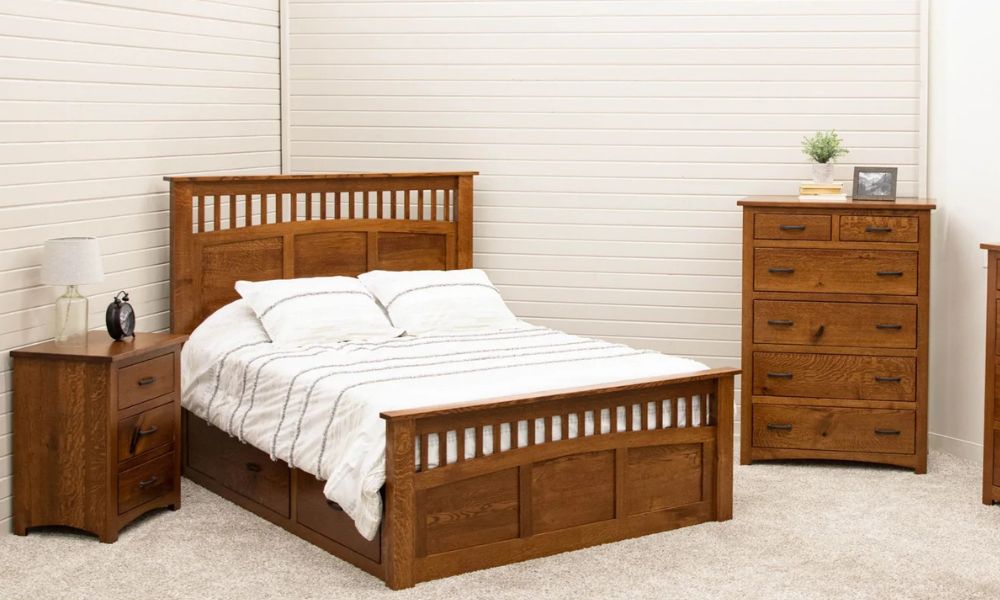
What your furniture is made of matters more than most people realize. Natural materials like wood, stone, linen, and wool, are consistently associated with lower stress and a greater sense of calm compared to synthetic alternatives. Wood, in particular, has a long-standing connection to reduced tension and improved mood, which is part of why it's been a staple in homes across cultures for centuries. Rough or heavy textures feel grounding and secure. Smooth, cold surfaces like glass or metal can feel sleek, but they can also read as sterile or impersonal over time. Soft upholstery in natural fibers gives the brain tactile cues that associate with comfort and warmth. The material you sit on, rest against, and look at every day quietly sends signals to your nervous system, and those signals add up.

Furniture Scale Affects How Comfortable You Feel in a Space
Scale, meaning the size of your furniture relative to the room it's in, directly impacts how comfortable and at ease you feel. Oversized furniture in a small room creates visual clutter and can produce a subconscious sense of being crowded or trapped. Your brain reads spatial cues constantly, and when furniture fills too much visual real estate, it can trigger mild stress responses associated with confinement.
On the flip side, furniture that's too small for a large room can feel sparse and cold, which doesn't exactly put you in a cozy, relaxed state of mind. Choosing pieces that fit the proportions of the room gives your brain the spatial breathing room it needs to feel at ease.
Furniture Arrangement Controls the Energy Flow of a Room
Where you place your furniture shapes how you experience a space just as much as what the furniture looks like. When seating faces one another, it encourages conversation and connection, which supports positive social experience and a general sense of warmth in a space. When furniture points toward a screen or a wall, it encourages passive, isolated activity. And if that's the dominant setup in your home, it can quietly reinforce low mood over time. Positioning furniture to allow clear pathways and open sightlines reduces anxiety and promotes a sense of control in your environment.
Clutter and Storage Capacity Affect Your Mental Load
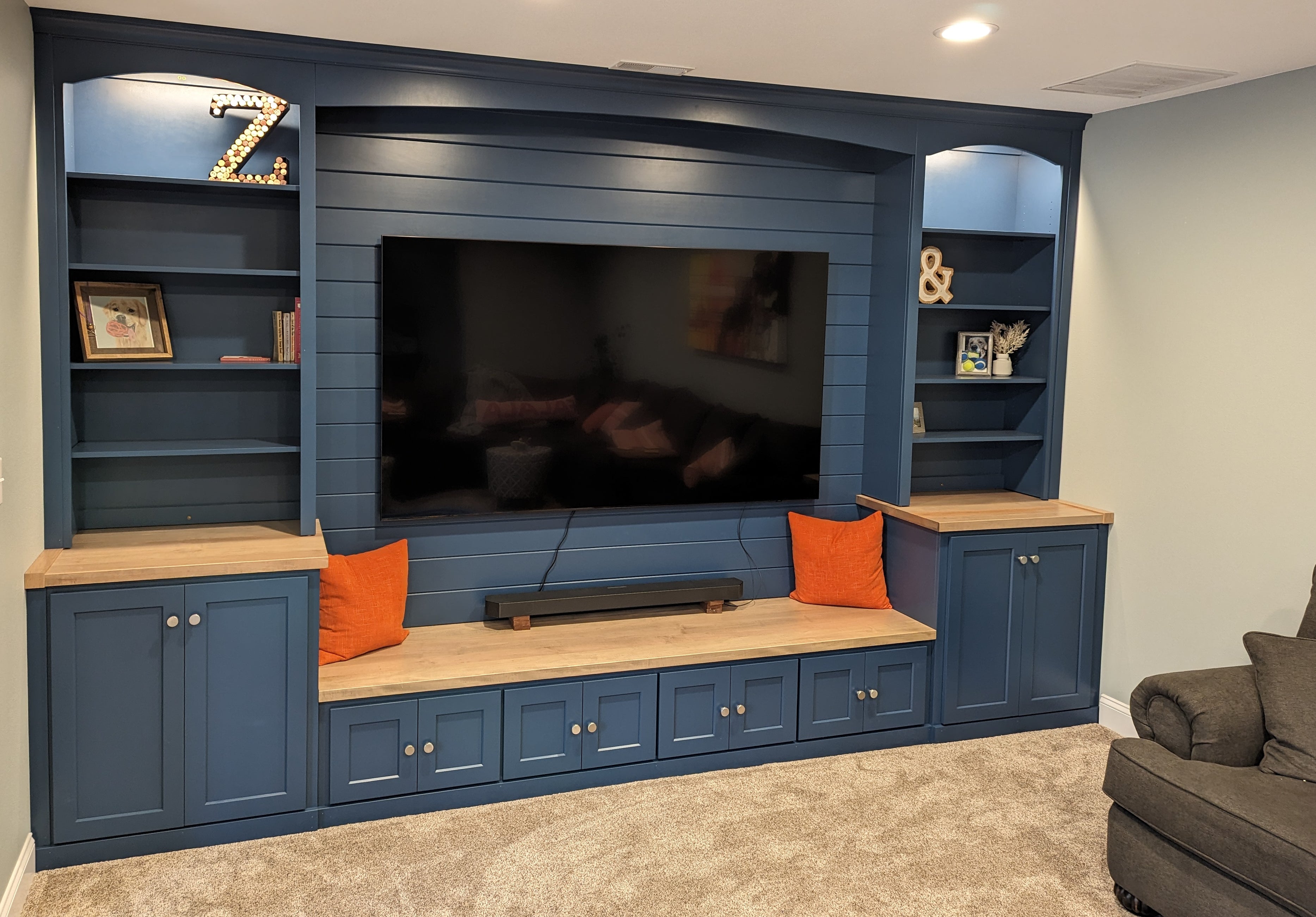
Furniture that lacks adequate storage doesn't just look messy. It contributes to a real cognitive burden. Cluttered environments force your brain to process excess visual information constantly, which depletes mental energy and increases feelings of stress and overwhelm. It's well established that people who describe their homes as cluttered report higher stress levels throughout the day than those who describe their homes as restful and organized. Furniture with built-in storage, like ottomans with hidden compartments, beds with drawers, or sideboards with closed cabinets, helps contain that visual noise. Choosing furniture with functional storage is a decision that protects your mental clarity and keeps your daily stress levels lower.
Lighting Interaction with Furniture Shapes Your Mood
Furniture affects how light moves through a room, and light is one of the most powerful mood regulators there is. Bulky, dark furniture absorbs light and can make a room feel heavy or dim, which works against serotonin production—the neurotransmitter most closely tied to mood stabilization. Lighter finishes and furniture with legs (rather than pieces that sit flush to the floor) allow light to pass underneath and around them, which makes a space feel more open and energizing.
Comfort Level Has a Direct Line to Your Emotional State
Physical discomfort creates emotional discomfort, full stop. When you sit on a couch that doesn't support your back, or at a dining chair that's too hard after twenty minutes, your body registers that as low-grade physical stress. Over time, that discomfort becomes associated with the room itself, and you start to feel a vague unease in spaces that aren't physically comfortable.
Personalization Gives You a Sense of Identity and Safety
Furniture that reflects your personal taste gives your brain a sense of belonging and identity. When your home looks and feels like you, your nervous system reads that environment as safe, a place where you can fully relax rather than feel like a guest.
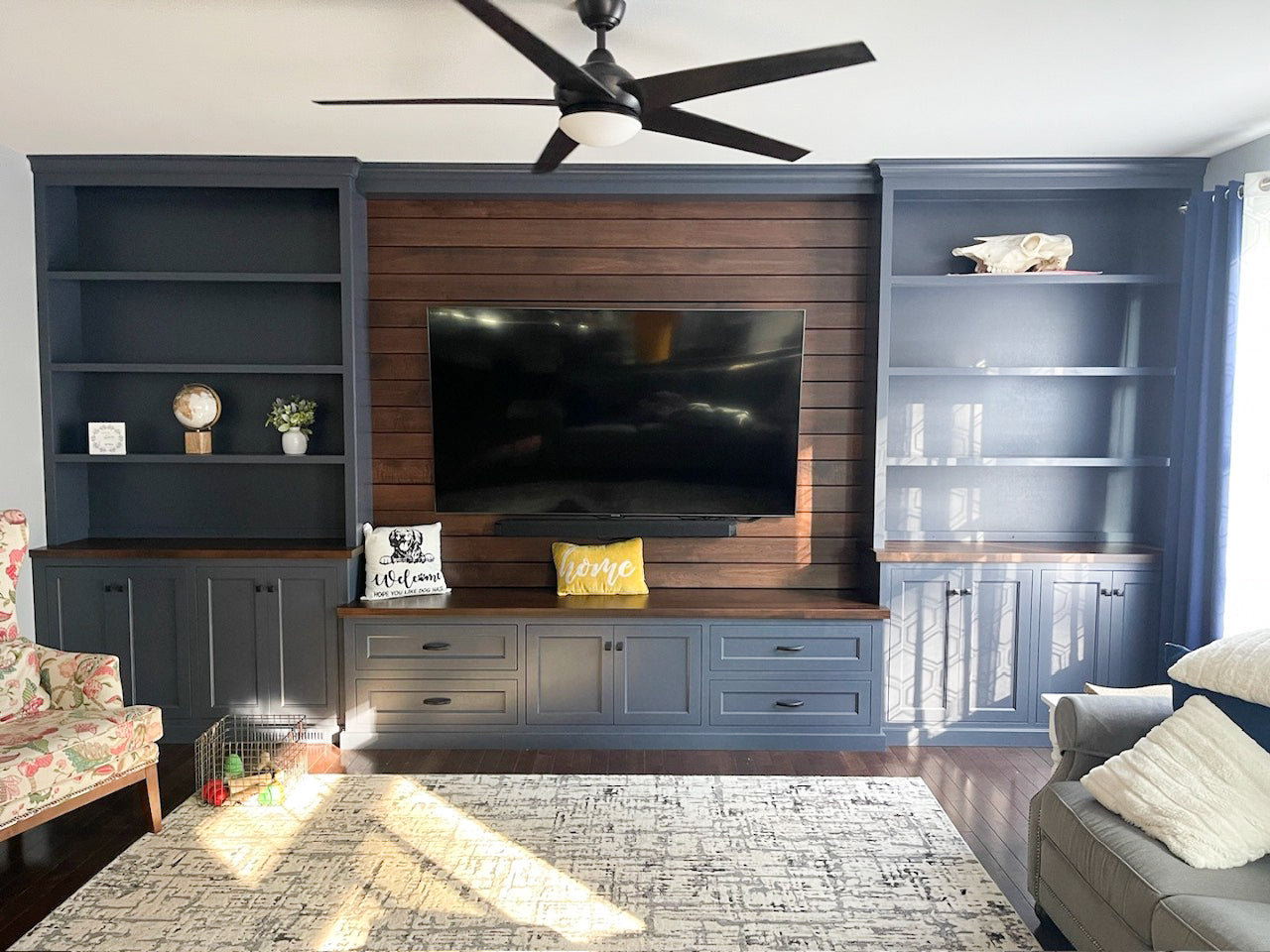
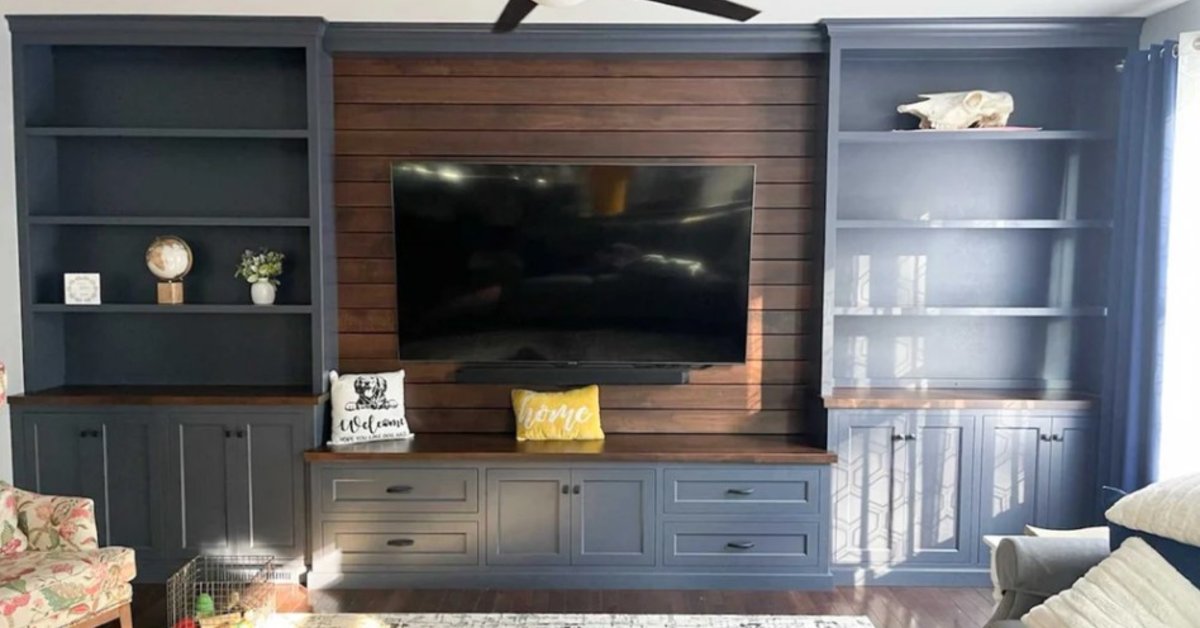
Personalized environments are consistently associated with lower stress and a stronger sense of confidence in your own space. This doesn't mean every piece needs to be custom, but choosing furniture that genuinely resonates with your aesthetic, rather than just settling for whatever was available or affordable at the time, has a measurable effect on how comfortable and at ease you feel in your own home.
Your Home Should Feel Like a Place You Actually Want to Be
The furniture you choose for your home can affect your mood. So make sure you consider each piece carefully. You don't want to be around furniture that makes you feel stressed, restless, or uncomfortable. You want pieces that make you feel happy and relaxed.
At Dutch Craft Furniture of Berlin, we have Amish-made tables and chairs for sale. Our dining sets are great for furnishing your eating area. All of our furniture is handmade, to order. Our craftsmen use wood to build heirloom-quality pieces meant to last generations. The natural materials and rich, warm tones provide a connection to nature and can help you feel grounded and at ease. Shop our Amish-made tables and chairs today, or, if you'd like a custom order, reach out to us with your vision.