




A Guide to Choosing the Best Wood Table Top
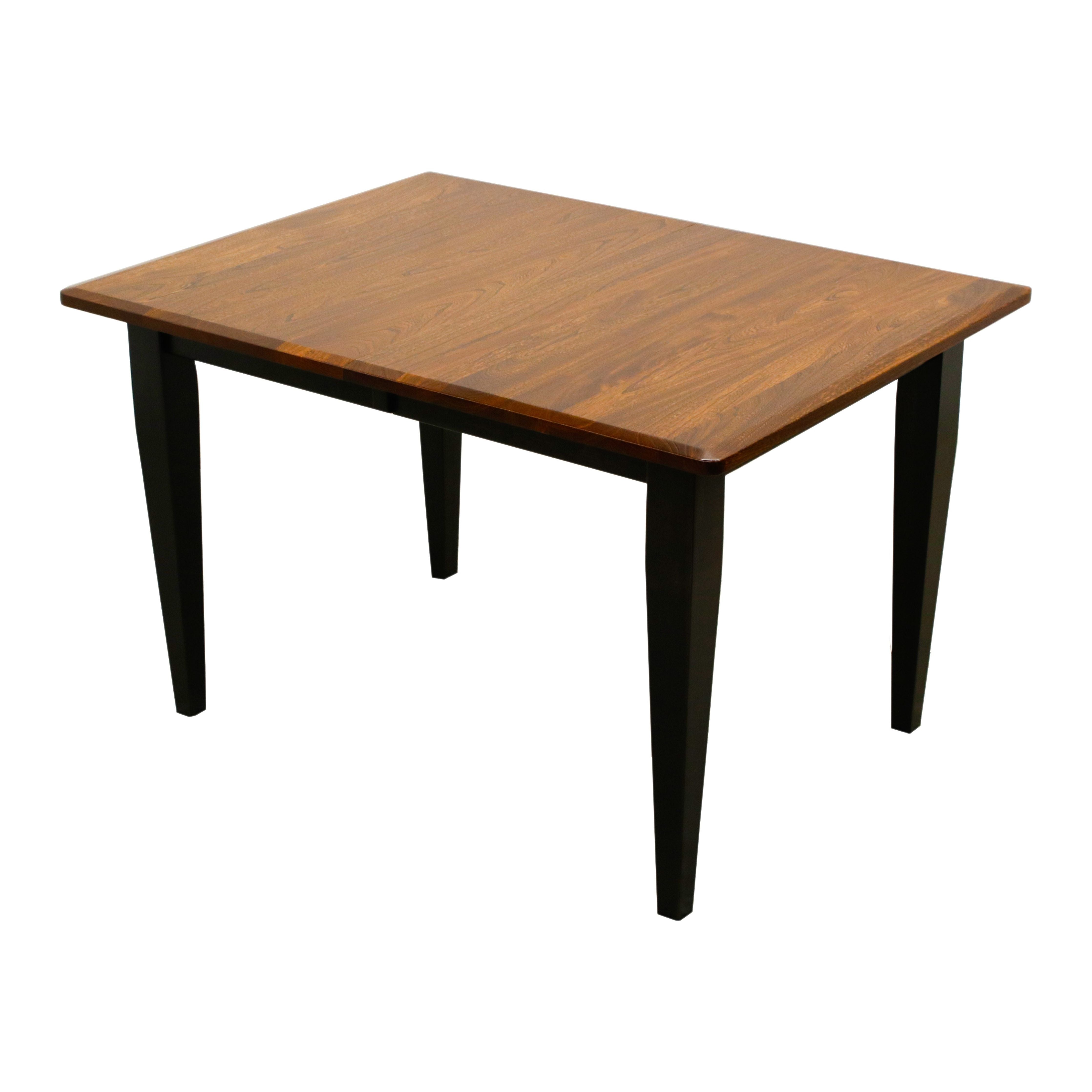
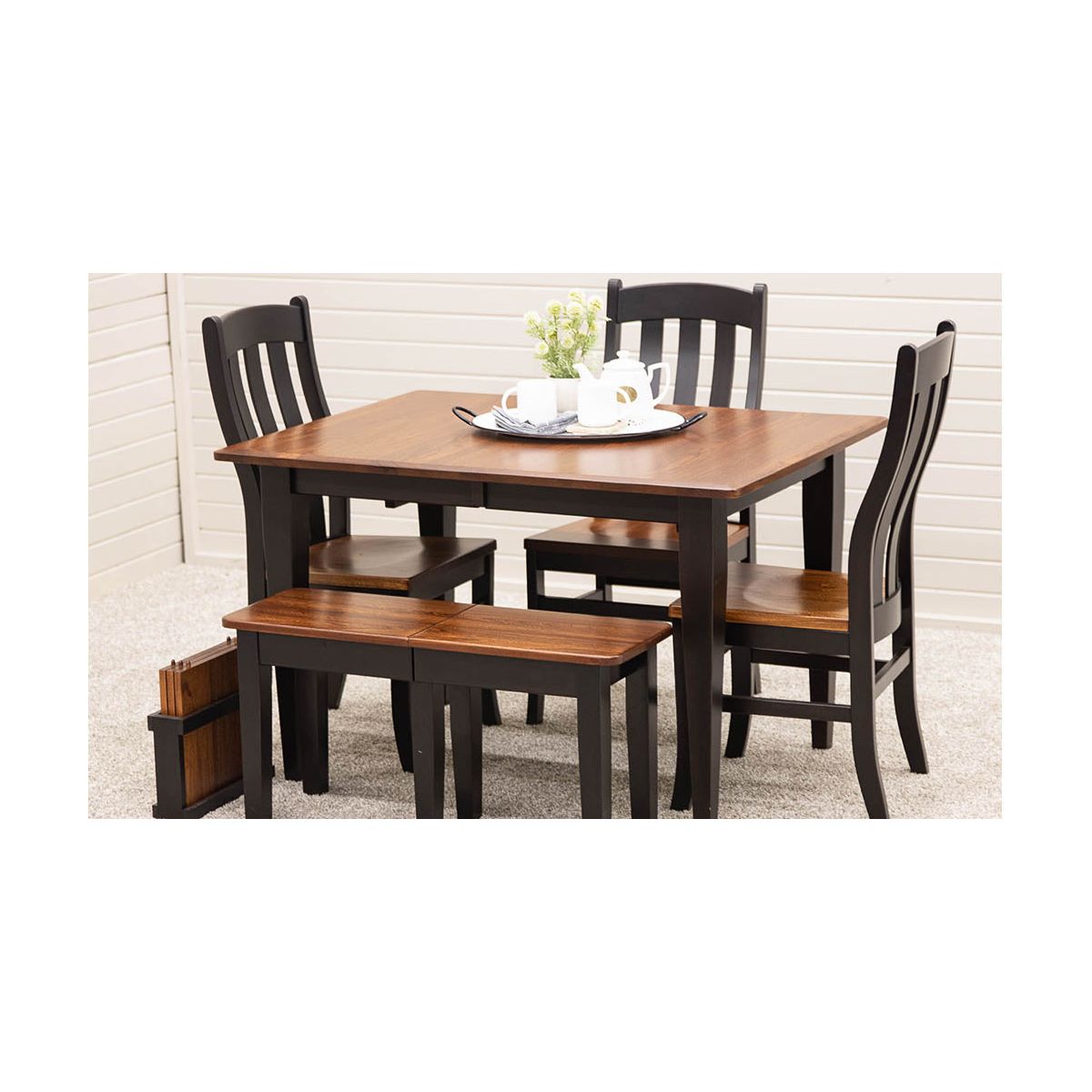
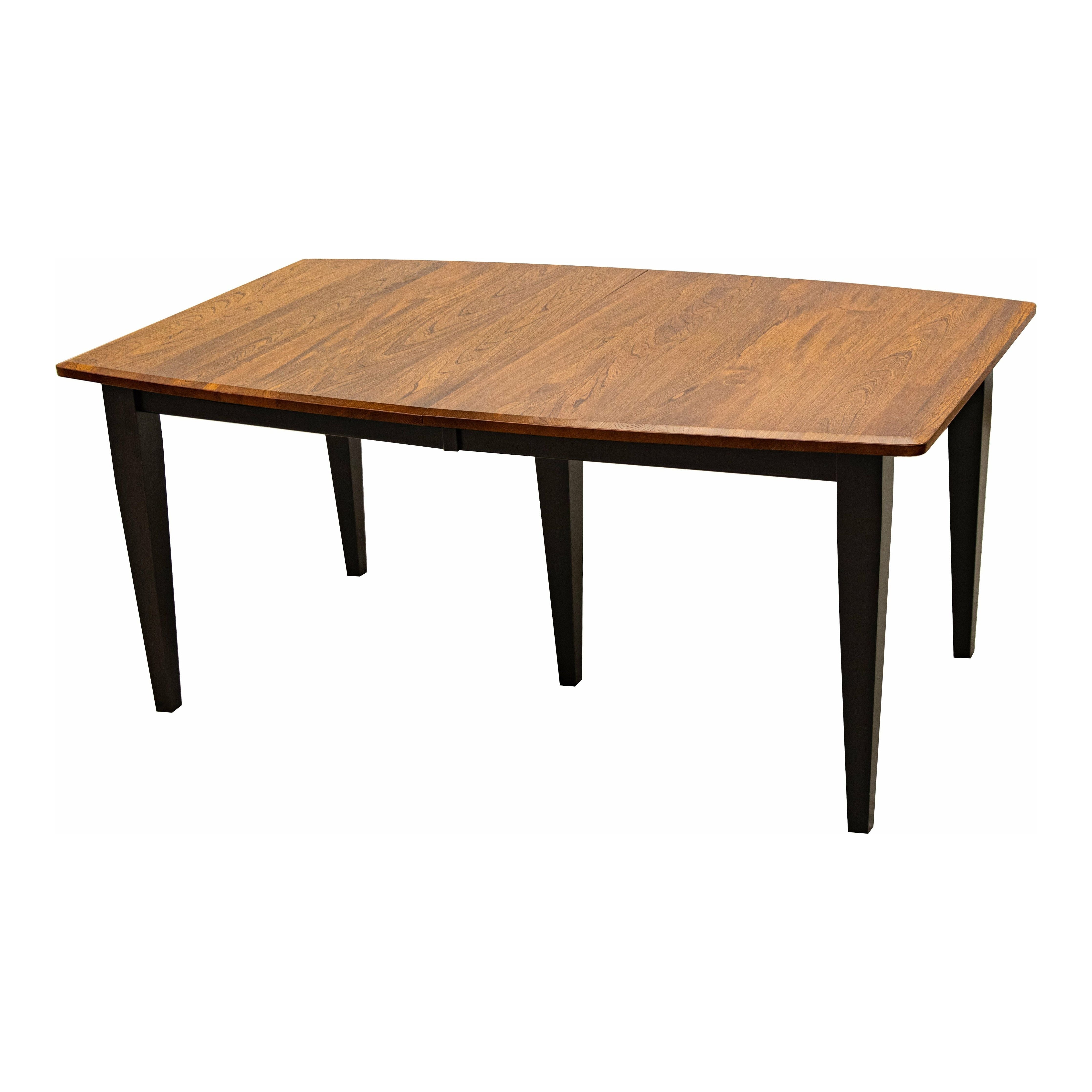
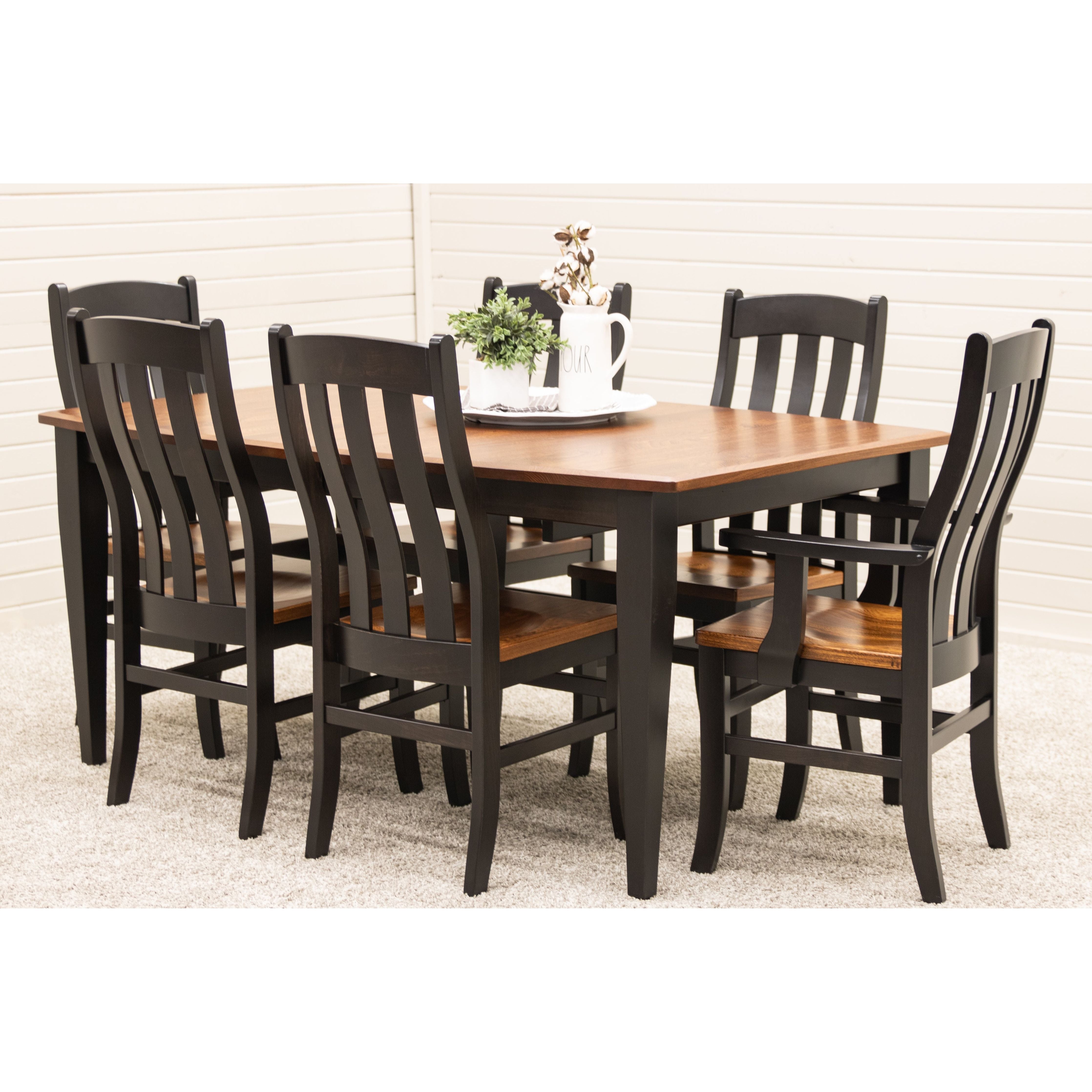
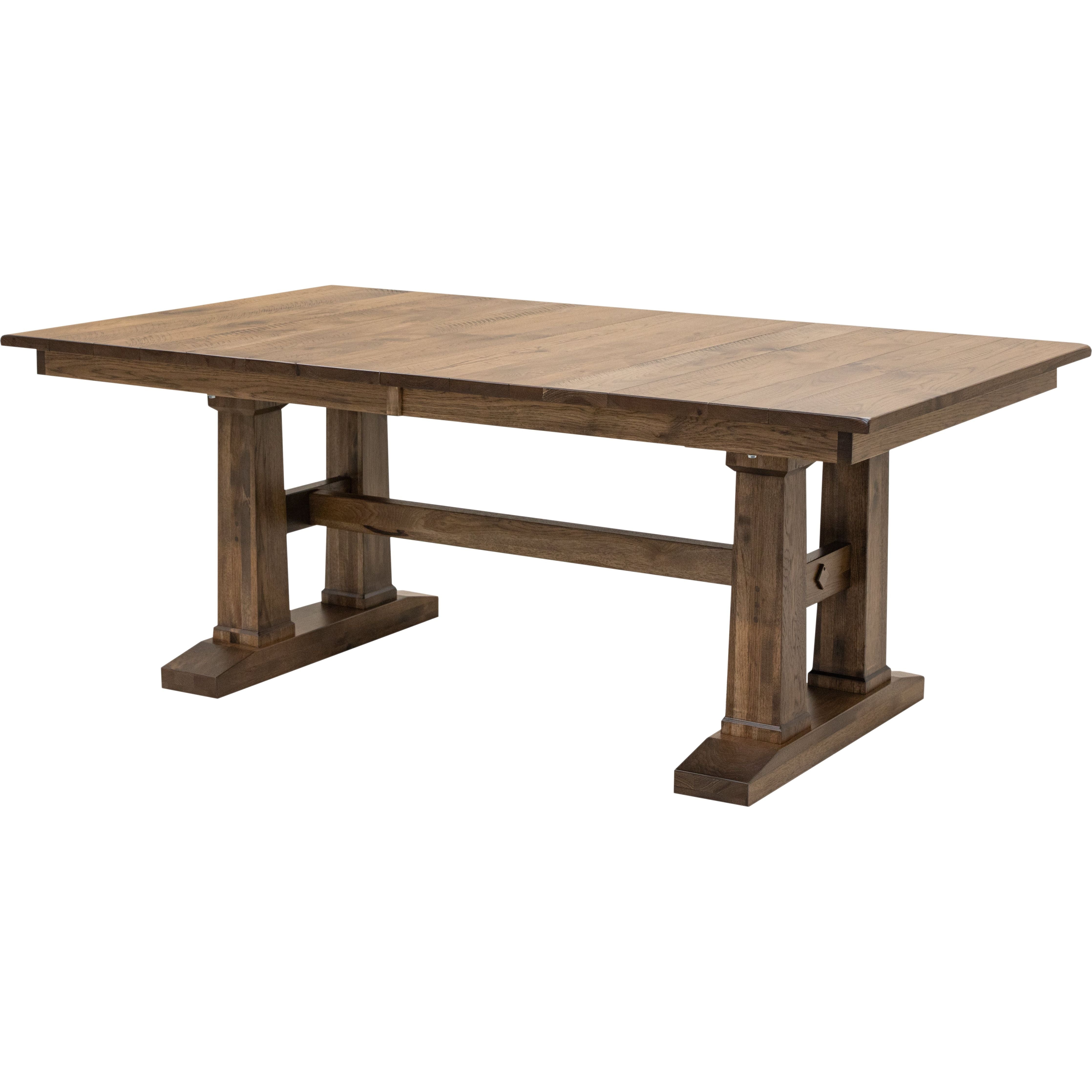
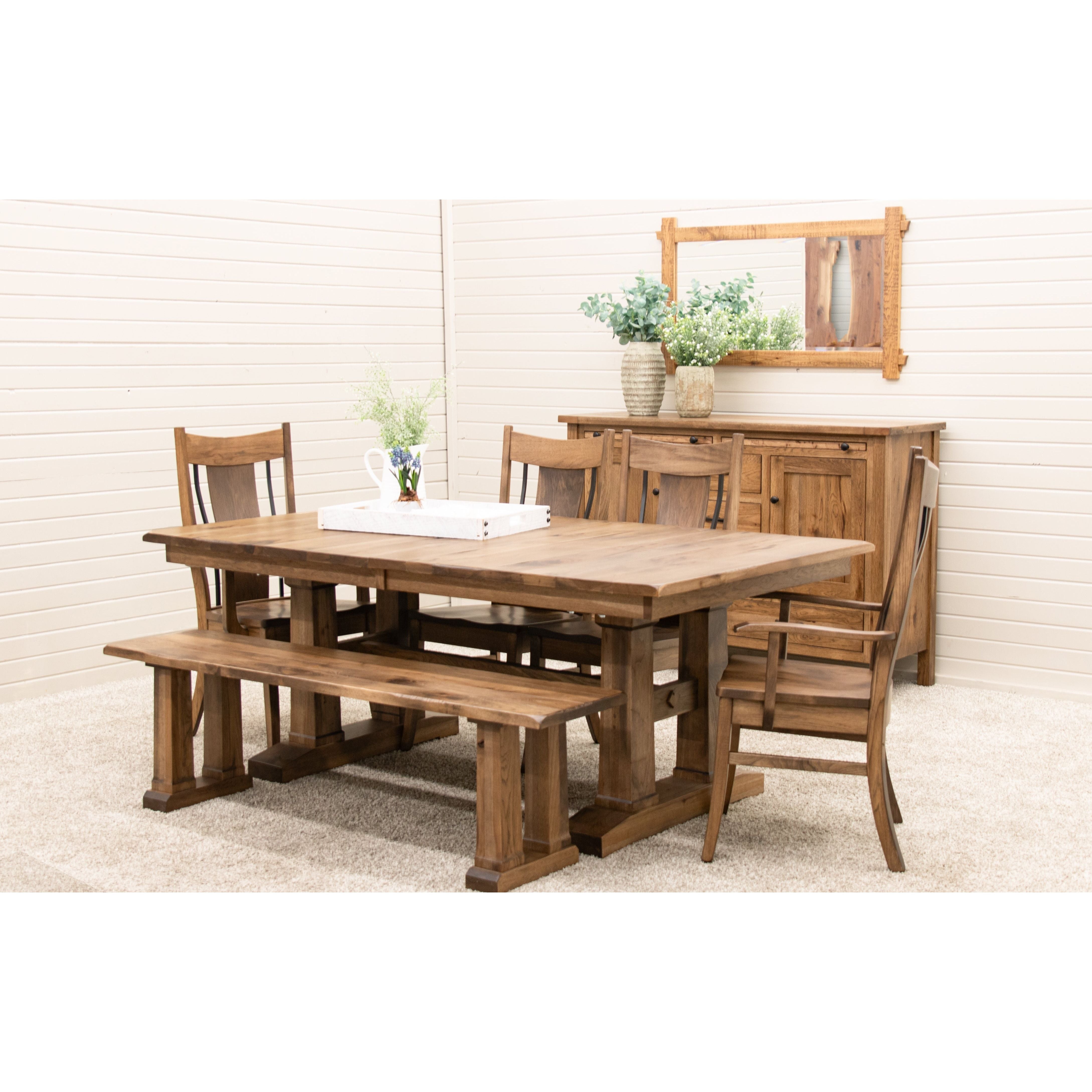
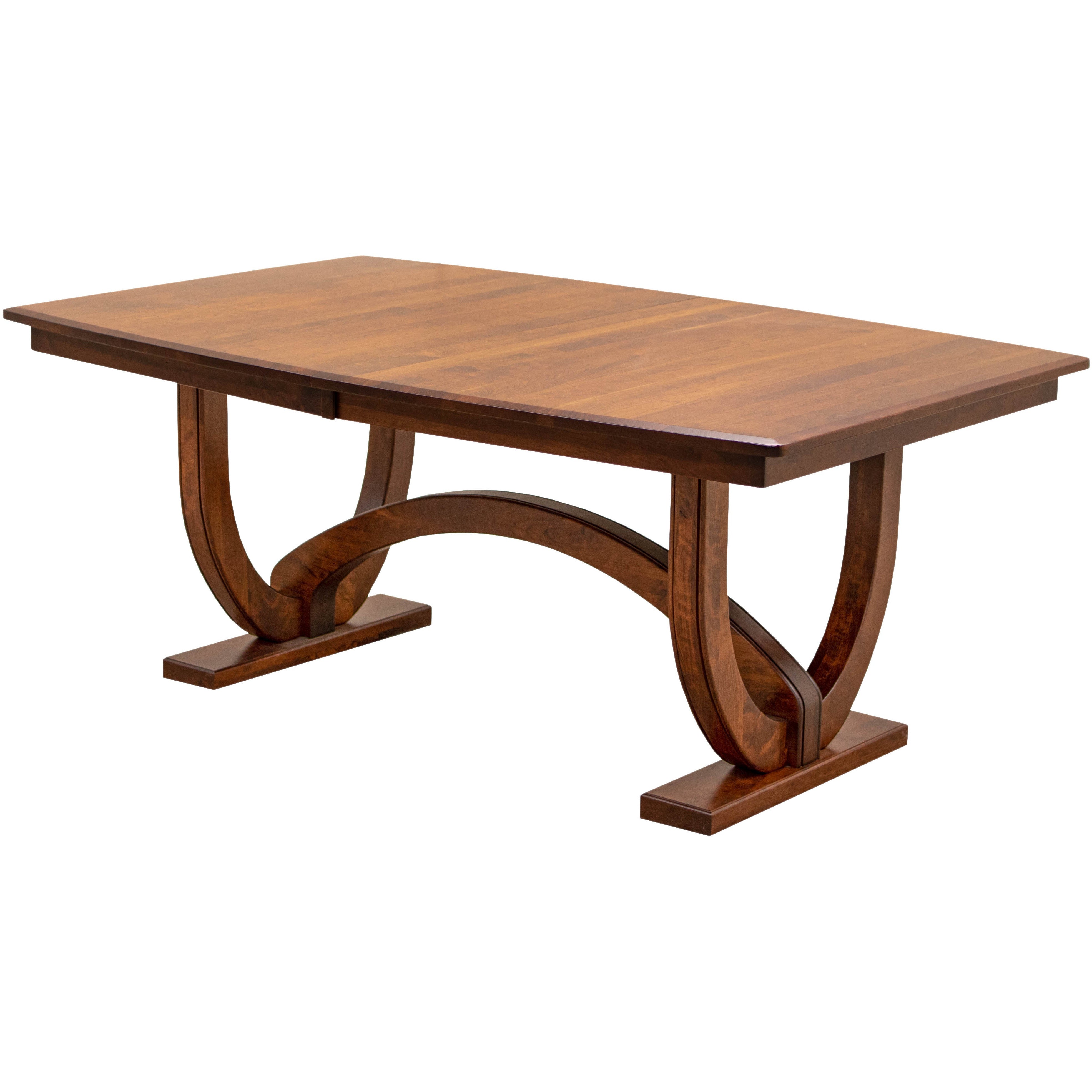
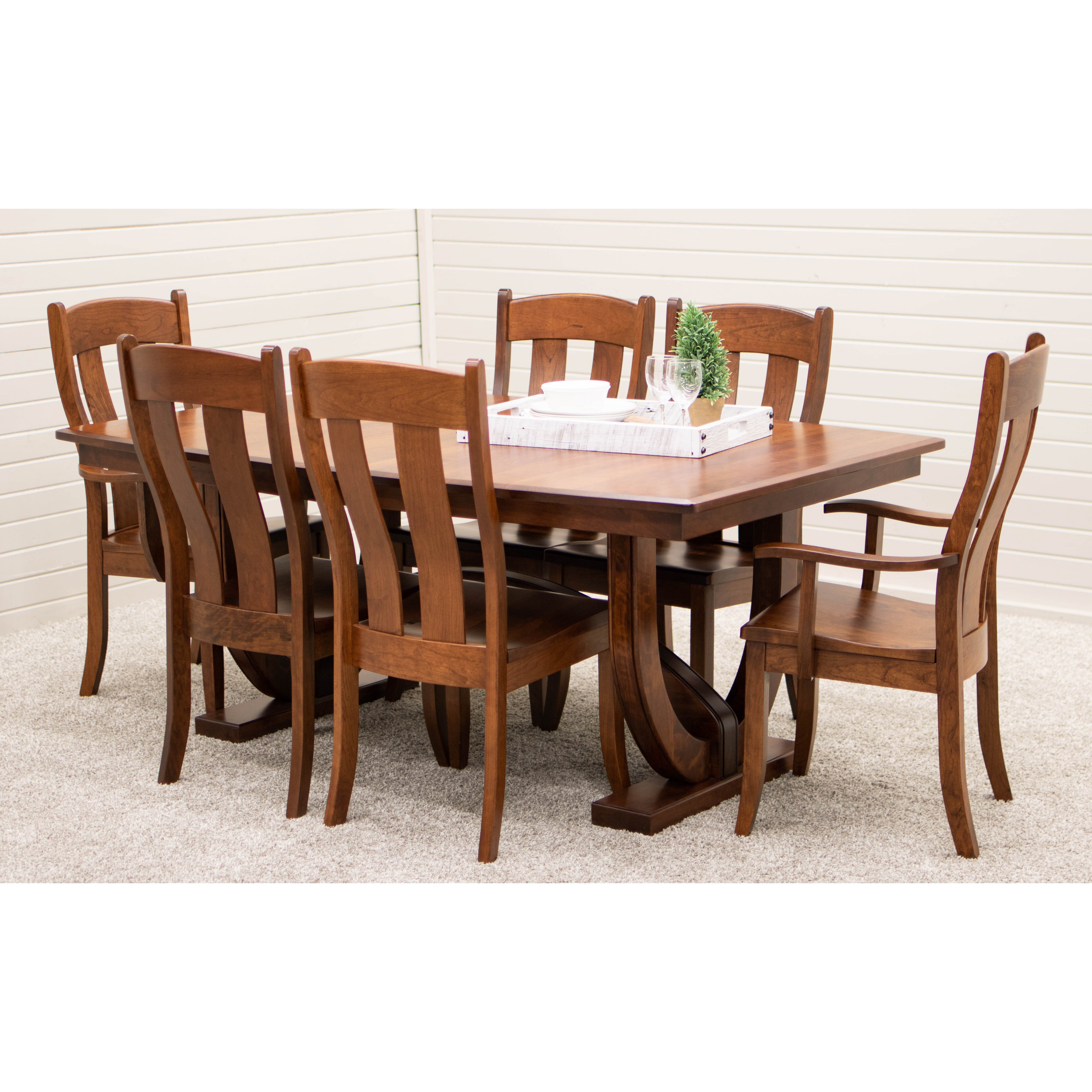
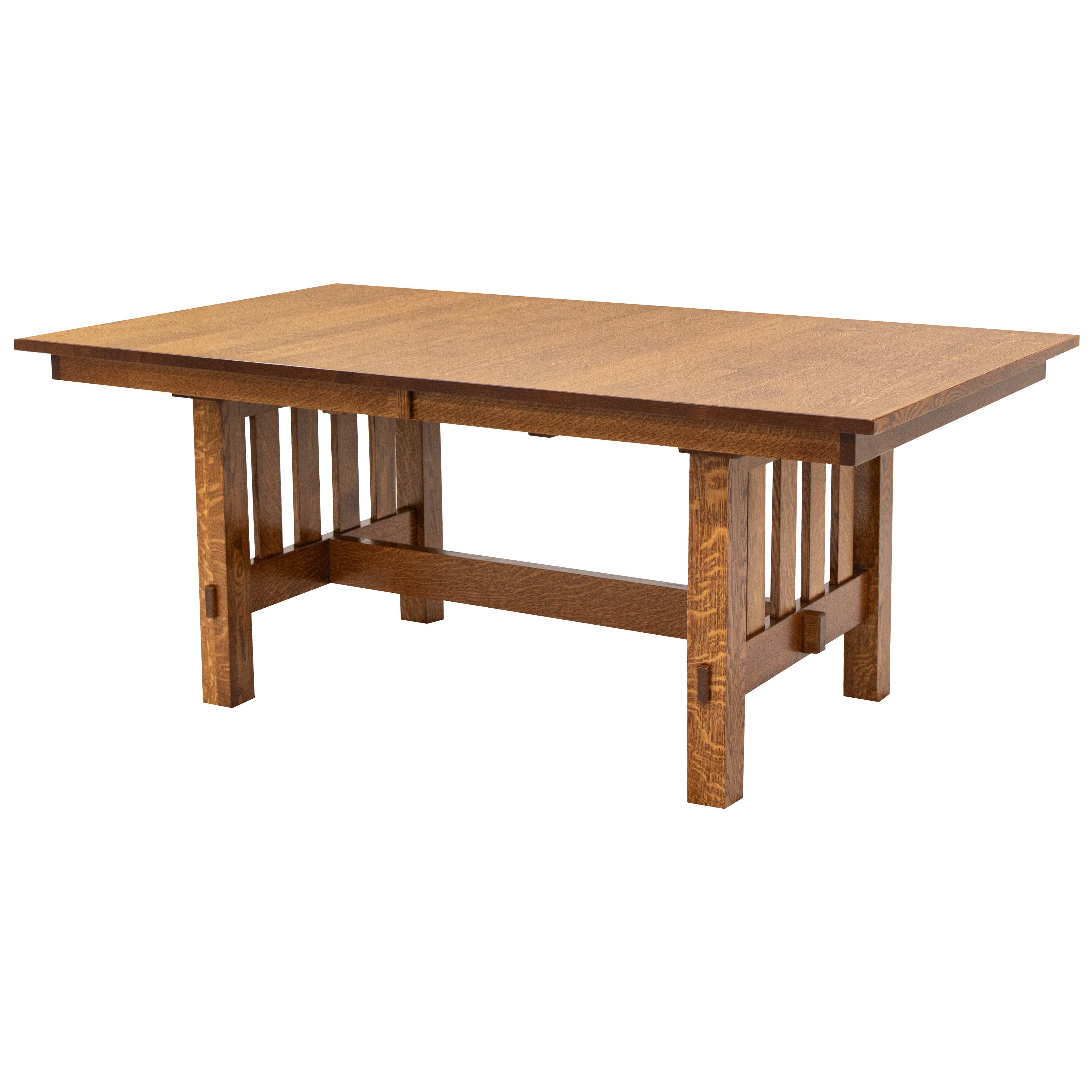
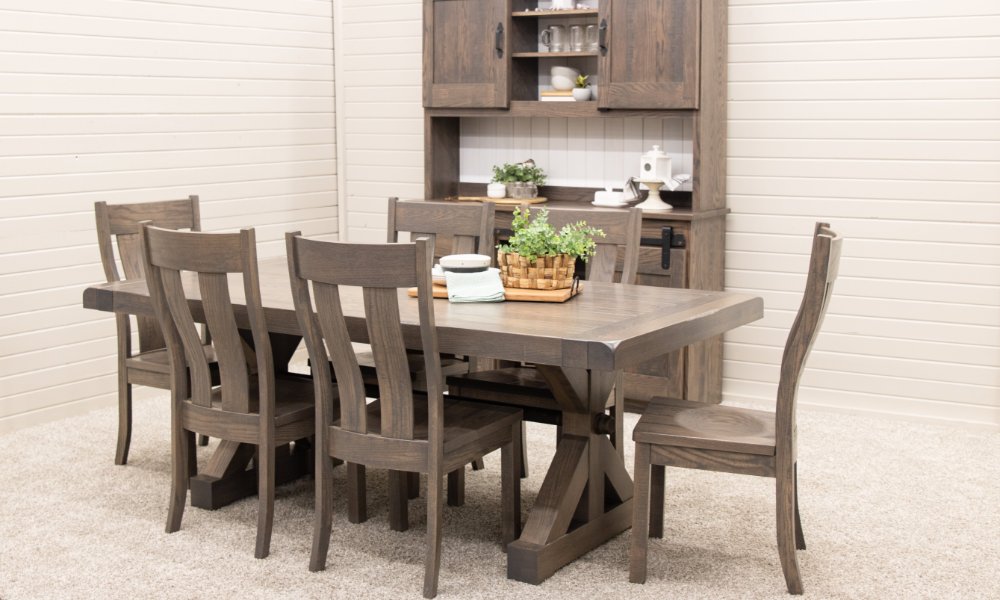
The type of wooden tabletop you choose for a new kitchen or dining table is an important decision as you shop. Tables of all kinds and across all price ranges feature a wooden table top. At Dutch Craft Furniture, our local Amish furniture makers specialize in building a table with wooden top. Take the time to compare wood types and construction methods to ensure your new table will last for many years.
Solid Wood Table Top vs Wood Veneer Table Top
Most people are familiar with the differences in a solid wood table vs a veneer wood table. Veneer wood tabletops feature a thin strip of wood glued onto an engineer wood product like particleboard or MDF. Solid wood is just that, referring to solid wood boards glued together to make a table. Veneers are notoriously difficult to repair and easily damaged by moisture and daily living.
Hardwood Table Tops
While choosing solid wood is a great start, it still refers to a wide range of wooden materials. Solid wood may refer to hardwood table tops and less durable softwoods. The Janka wood density scale is an excellent way to compare wood species. This scales measures the force required to embed a steel ball into the wood.
Amish furniture makers typically offer wood tops for tables in a variety of American hardwoods. Common wood options include Red and White Oak, Maple, Cherry, Walnut, Elm and Hickory wood. The wood density ranges starting with Elm at 830 on the Janka scale to Hickory, being the hardest at 1820. To compare, a soft wood like White Pine rates only 380 on the Janka scale.
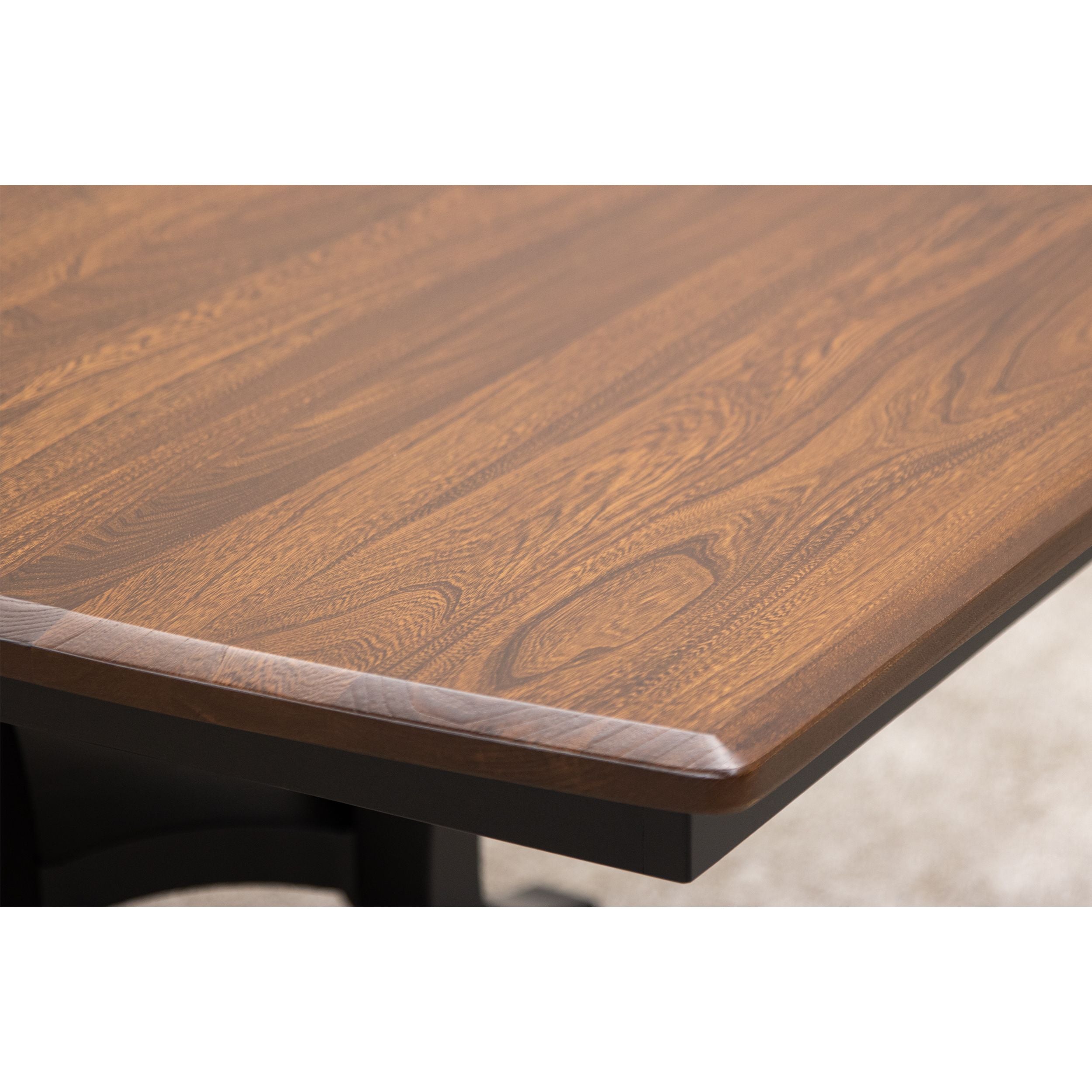
The density of hardwood table tops make them an excellent choice for long-lasting furniture. Which hardwood you choose has many factors. You may think to avoid Elm wood, as it rates lower on the Janka scale than other hardwoods. In fact, Elm has a unique grain texture that hides minor knicks and scratches far better than smooth grained hardwoods like Maple or Cherry.
Consider the color you like when choosing the type of hardwood for your tabletop. All wood tables will likely pick up small scratches in the top over time. Some color variation and wood grain texture is an important factor to how visible the scratches will be. Light reflection on smooth grained wooden tabletops seems to enhance all scratches and knicks.
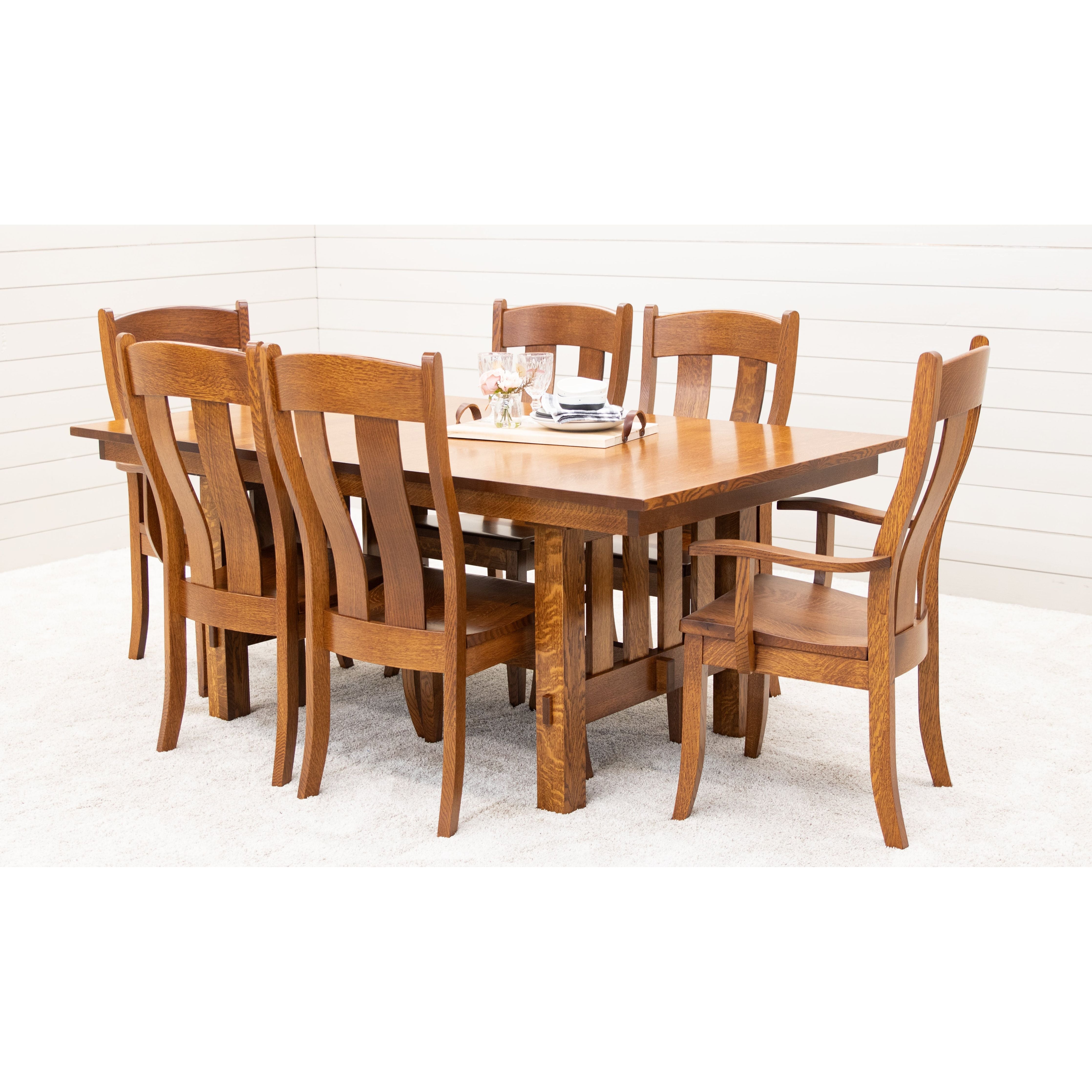
Hickory and White Oak wood are the hardest options for Amish dining room tables. These are excellent options for commercial applications like hardworking restaurant tables. Hickory wood often features rustic grade lumber, which includes small knots filled with a black epoxy. White Oak wood may be straight sawn, quarter sawn or rift sawn, depending on the style of table.
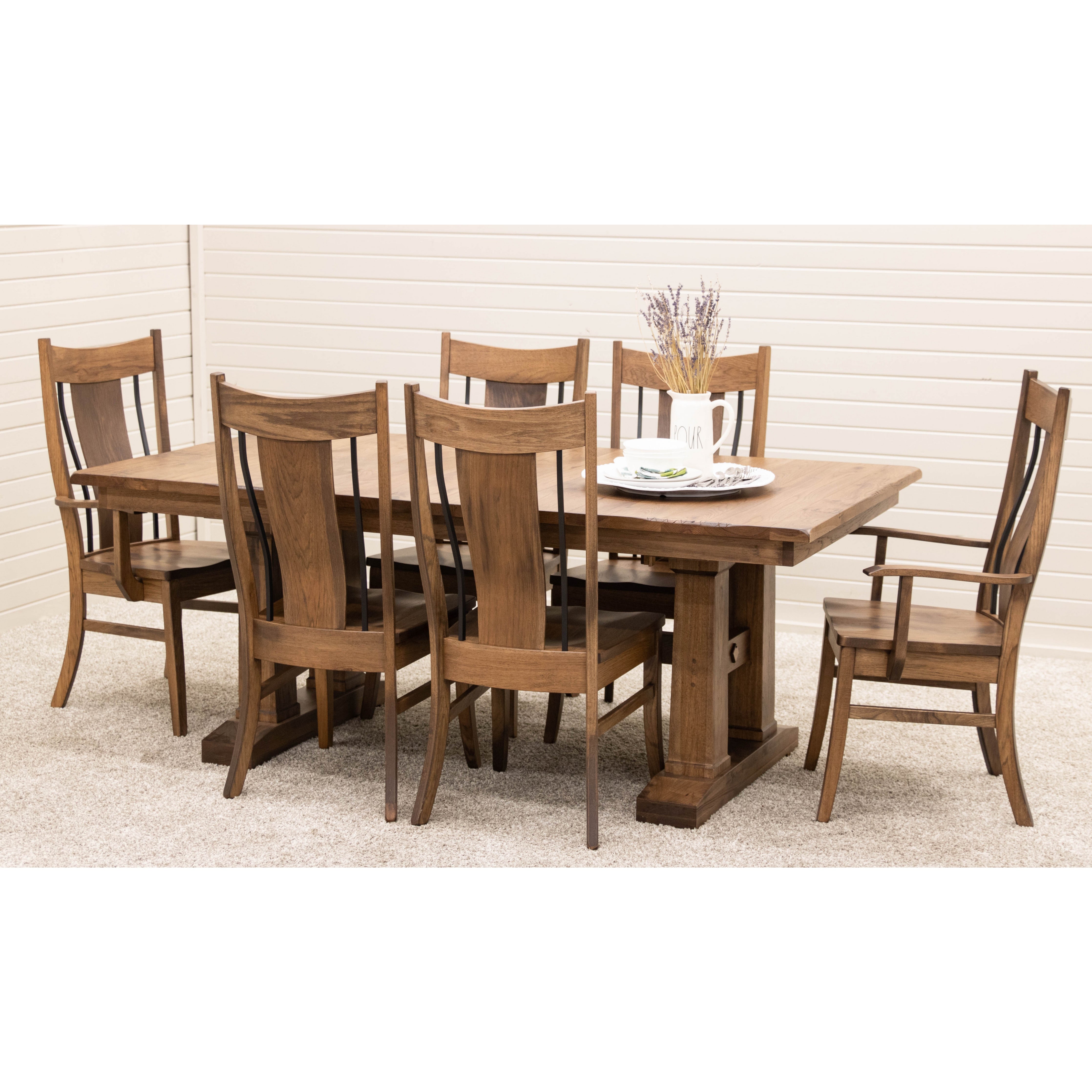
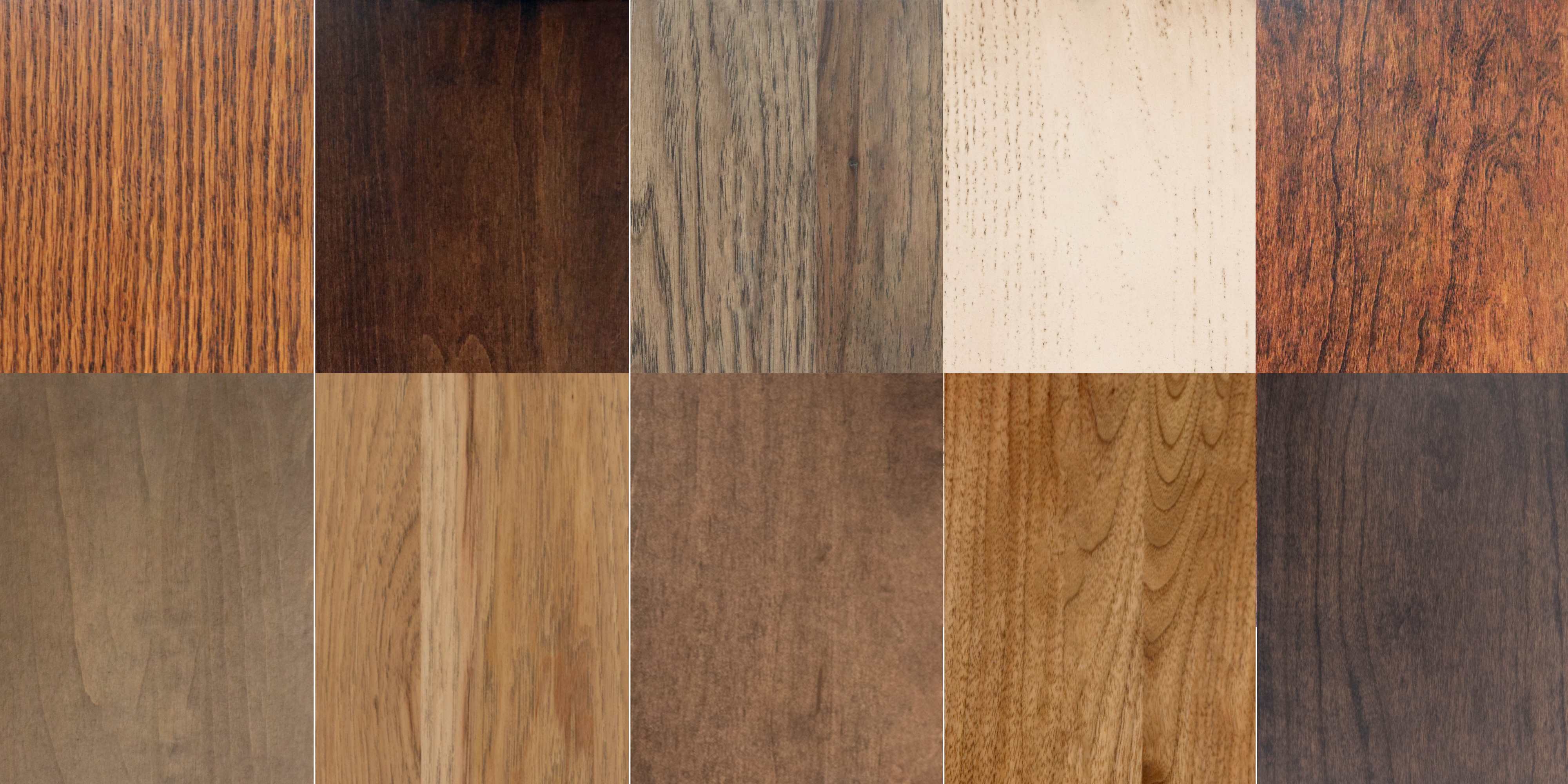
The grain texture of Hickory wood may appear rustic or refined, depending on the tables wood style. A plank table top in Hickory wood enhances the naturally rustic texture, often seen in a light color tone. Hickory tables with darker stains including Asbury Brown and Brown Velvet often appear more formal in style.
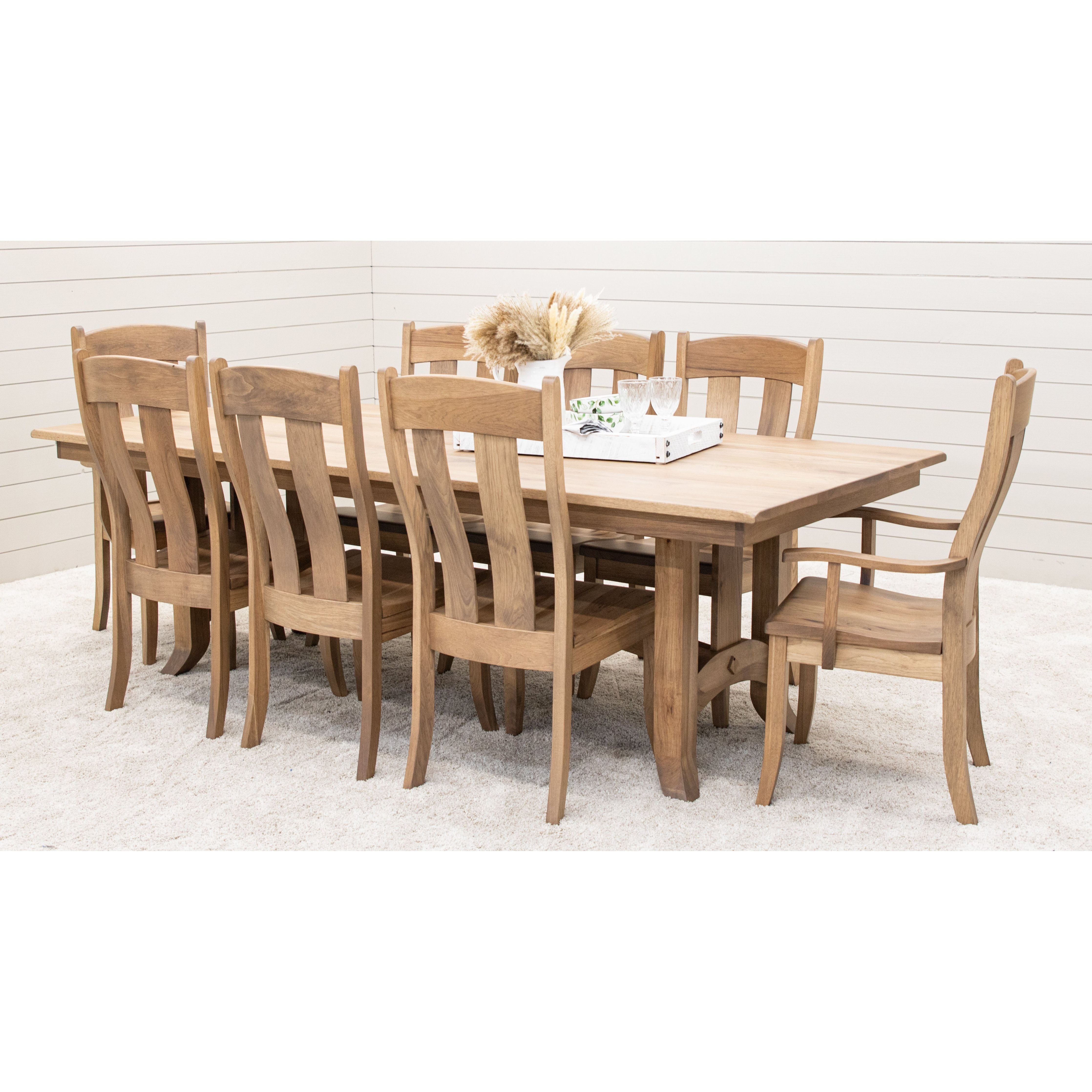
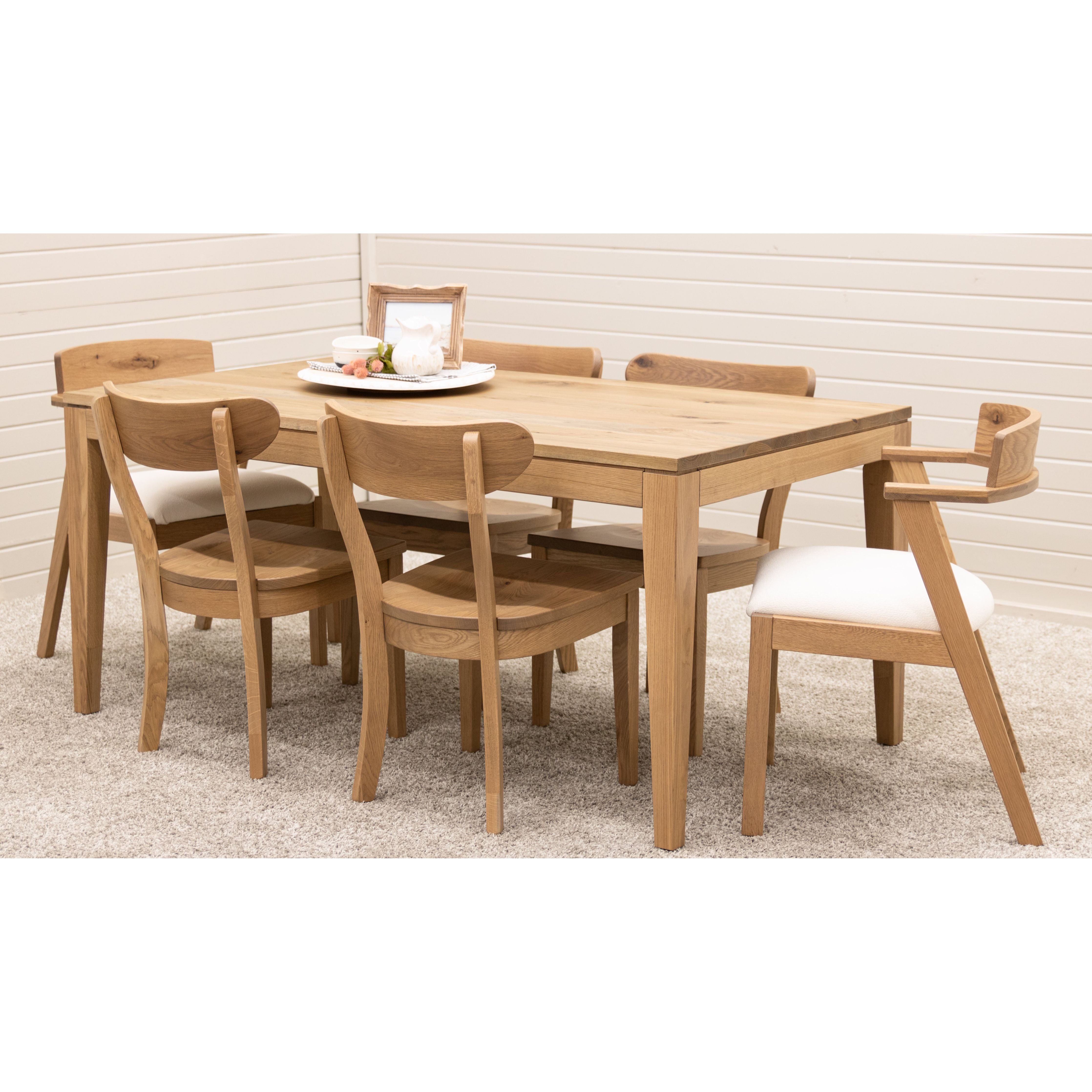
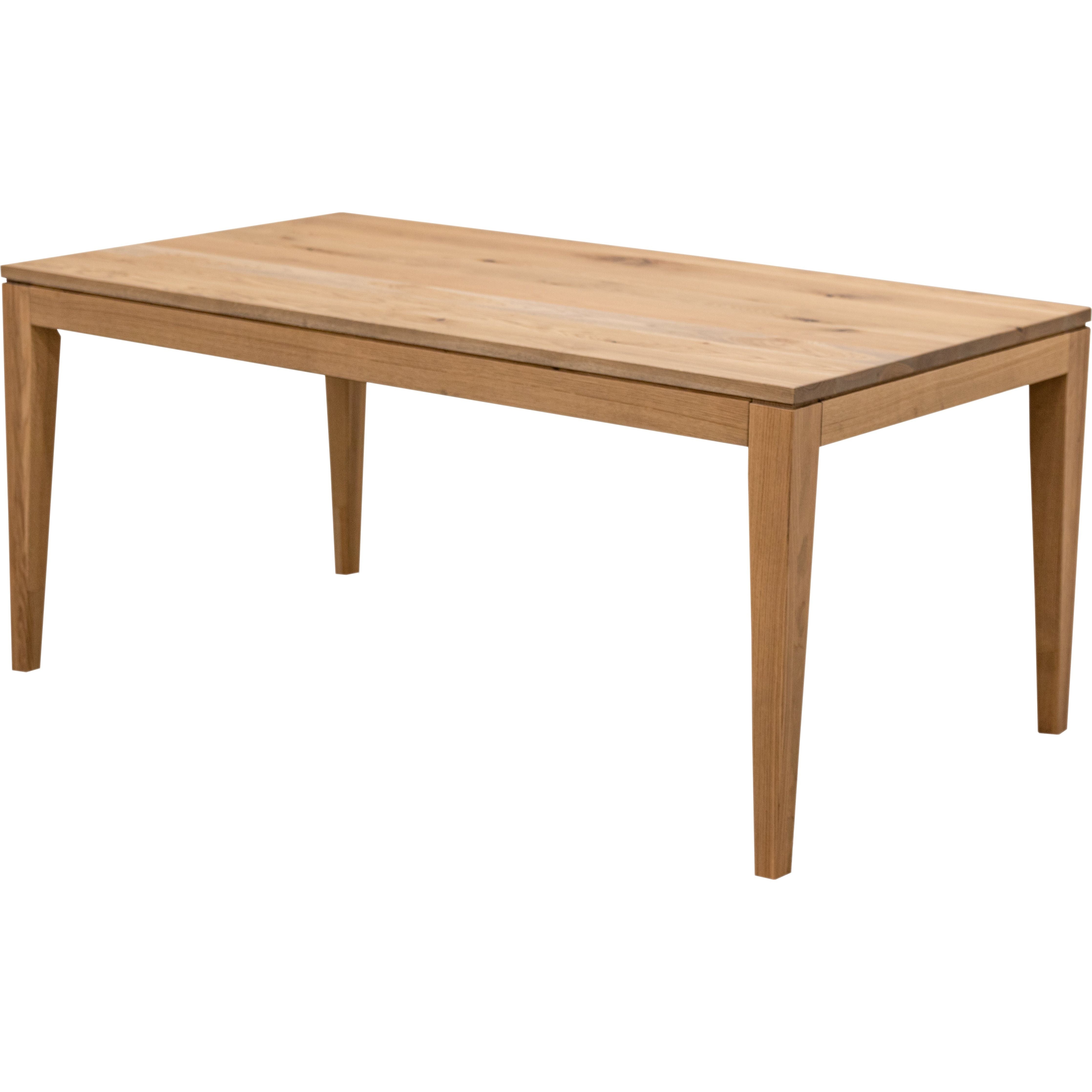
Modern Hickory and White Oak tables often feature smooth tabletops. The natural character of the wood adds texture and warmth to modern dining rooms. A smooth tabletop is easy to clean and timeless as your style changes over time. These tables often feature a light stain color like Willowbend or Cocoa Light.
Best Wood for a Black Table Top
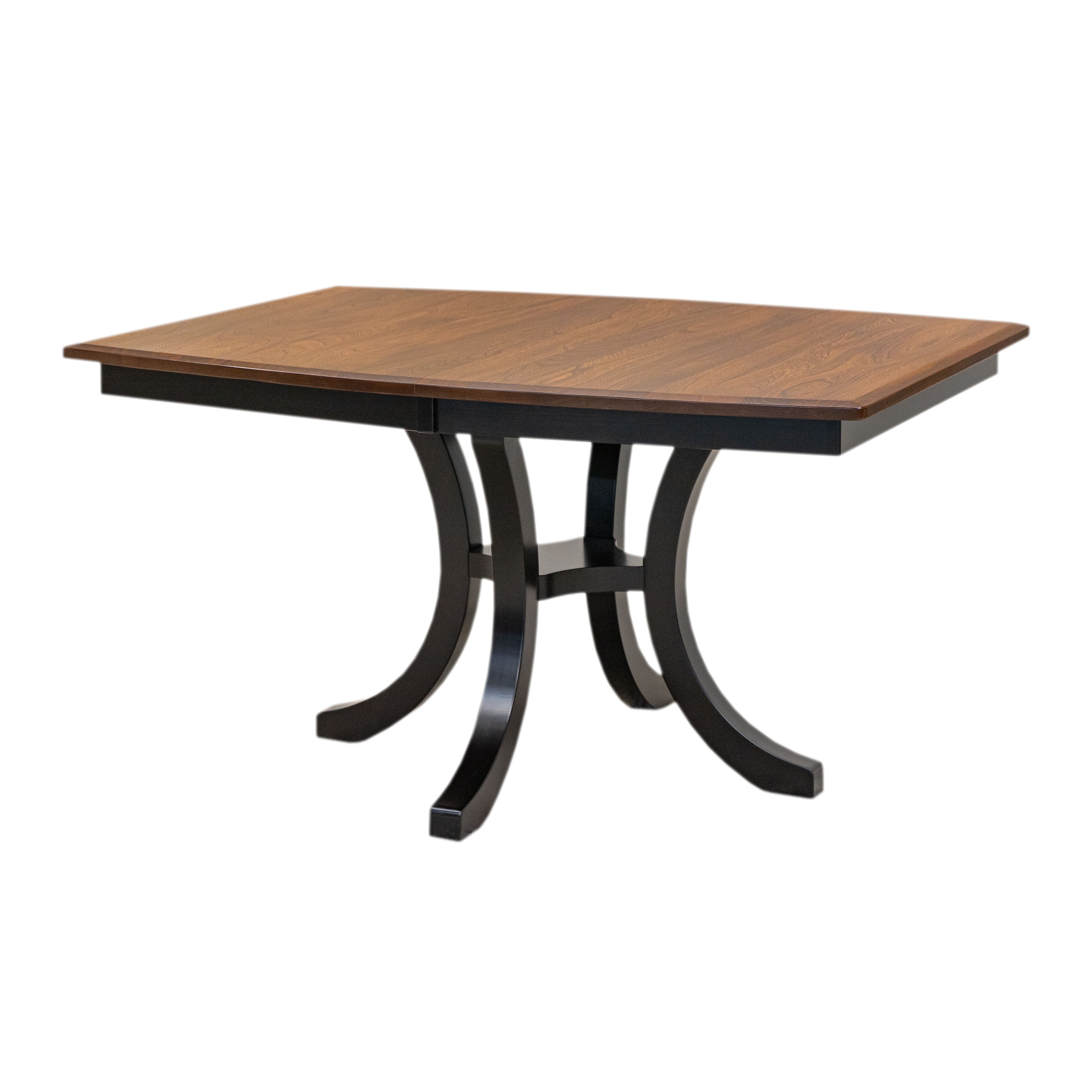
Many homeowners love the look of a smooth black tabletop. Maple seems to be the obvious hardwood choice. The texture of Maple wood is smooth and creates an even black color tone, without visible wood grain variation. In fact, Maple wood with Ebony stain is often mistaken for a black paint.
In reality, Amish furniture makers always recommend Oak or Hickory for black wood tabletops. The wood grain variation and texture keeps your black tabletop looking good for many years. Red Oak is the most common recommendation, being an affordable hardwood option for a black stain.
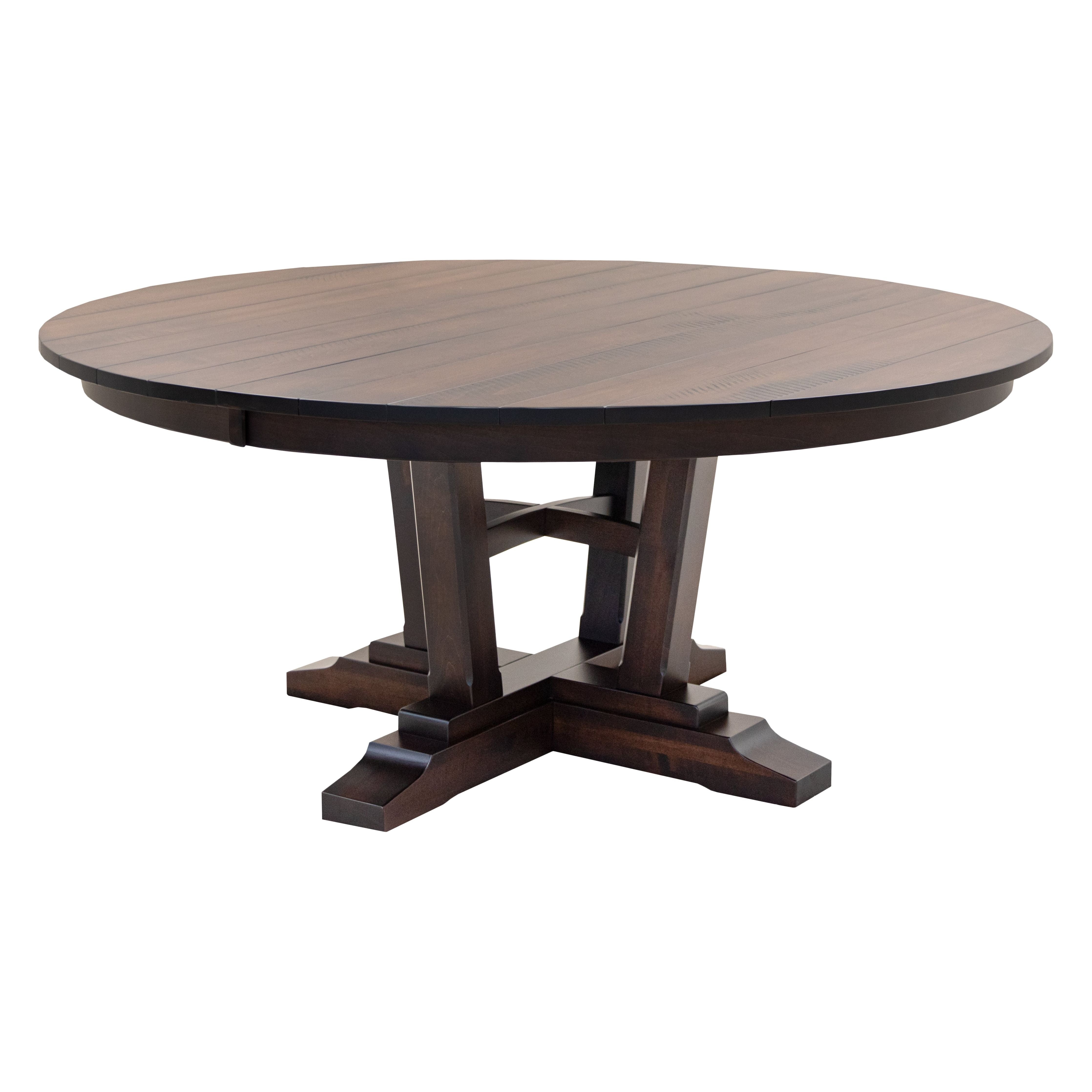
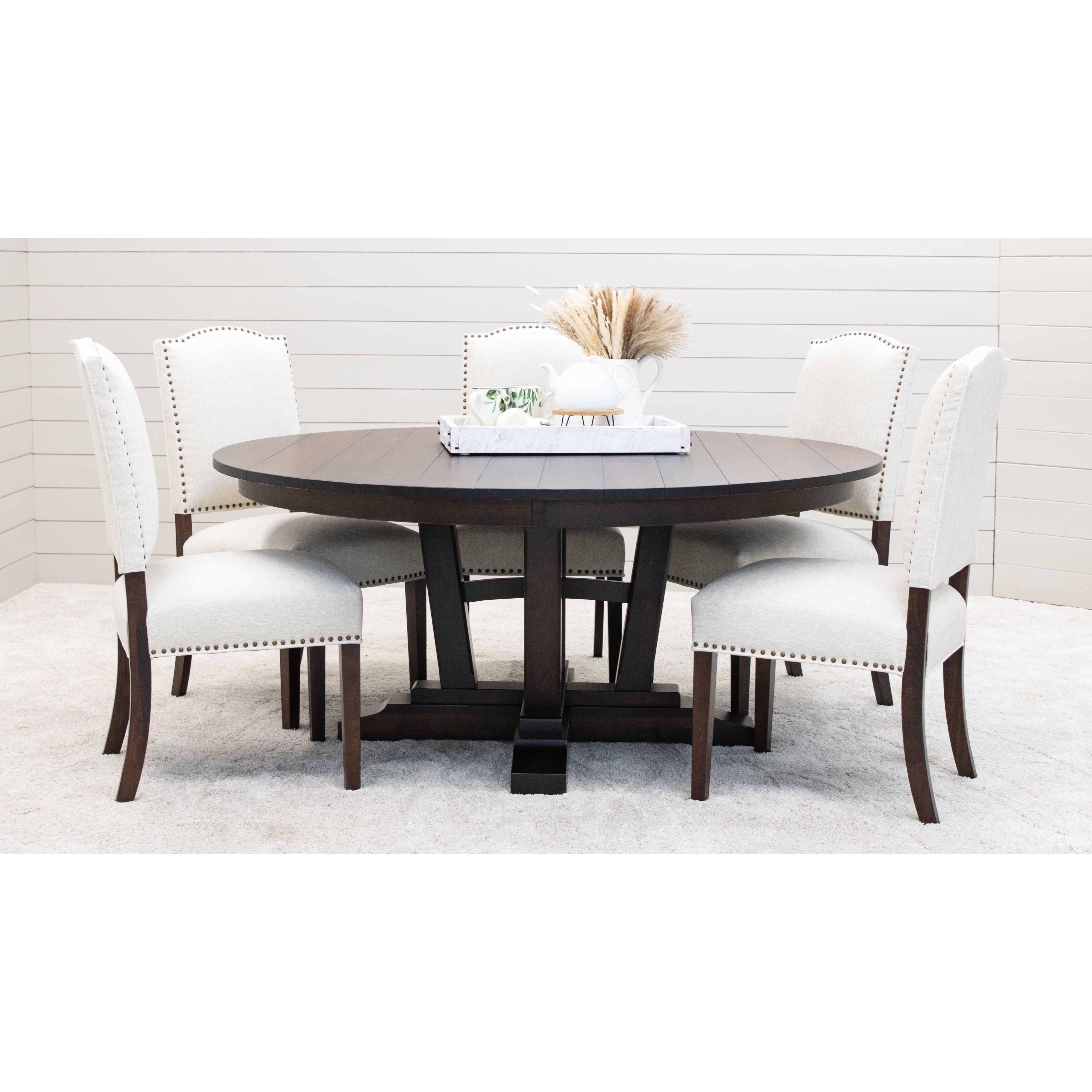
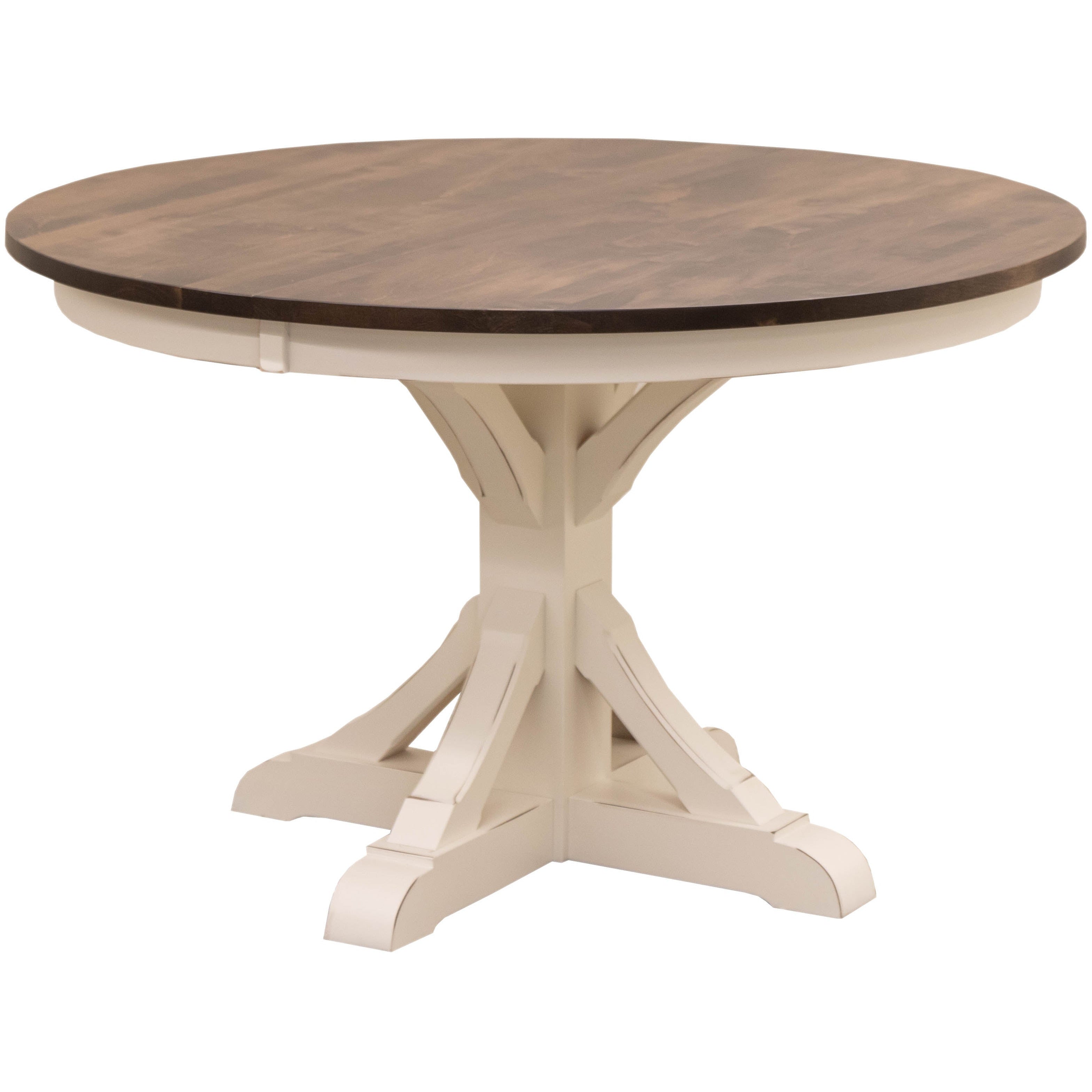
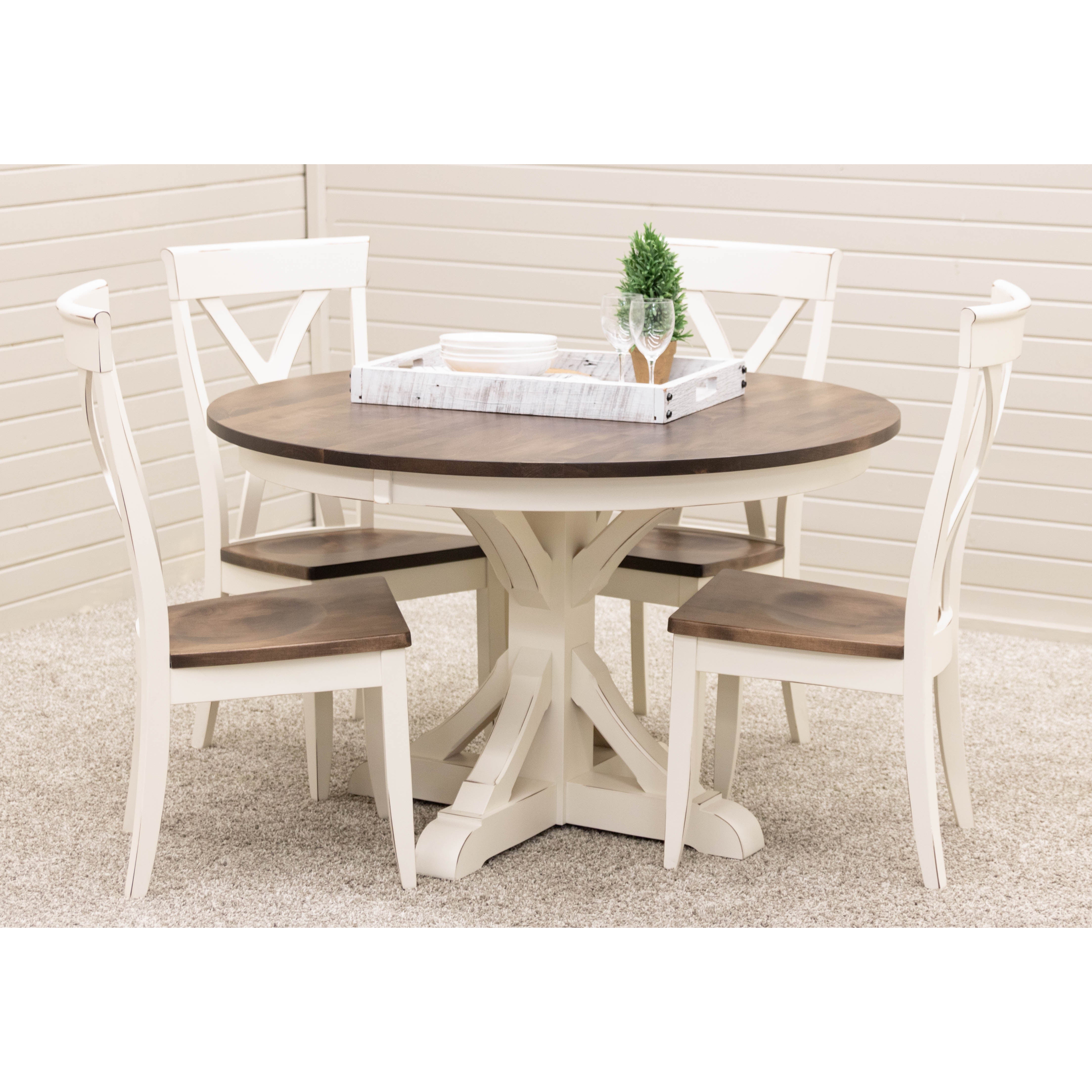
For those who prefer the smooth texture of a Cherry wood or Maple wood tabletop, we recommend a different stain color. Dark stain colors like Rich Tobacco or Brown Velvet have a similar style to sleek, black dining tables. The long-time favorite Alberta style features a round wood table top with a Settler's plank style. The large round table in Maple wood with Rich Tobacco stain starts lightly distressed to keep the tabletop looking good over time.
Wood Slab Top Table Options
A popular choice for modern homes, a live edge dining table features a solid wood slab top. Wood slabs are available in various species of solid hardwood. The natural beauty of Walnut wood is stunning as a live edge wood table. Live edge slab tables feature one of a kind edge profiles, some with the bark of the tree still attached.
Thicker than standard tabletops, live edge slabs often range from 1.75"-2" thick. This type of thicker tabletop does not require the traditional apron under the top to keep it from warping. Live edge wood slab tables and butcher block tabletops often feature metal bases instead of traditional wooden ones. The sleek metal provides beautiful contrast to the natural grain patterns of live edge wood.
How Thick Should a Dining Table Top Be?
Generally speaking, a solid wood tabletop should be at least an inch thick. A one inch thick wooden tabletop stays tough and strong over time. Standard Amish tables feature an inch thick top unless otherwise specified. All tables are available with thicker, 1.25" smooth tabletops as well.
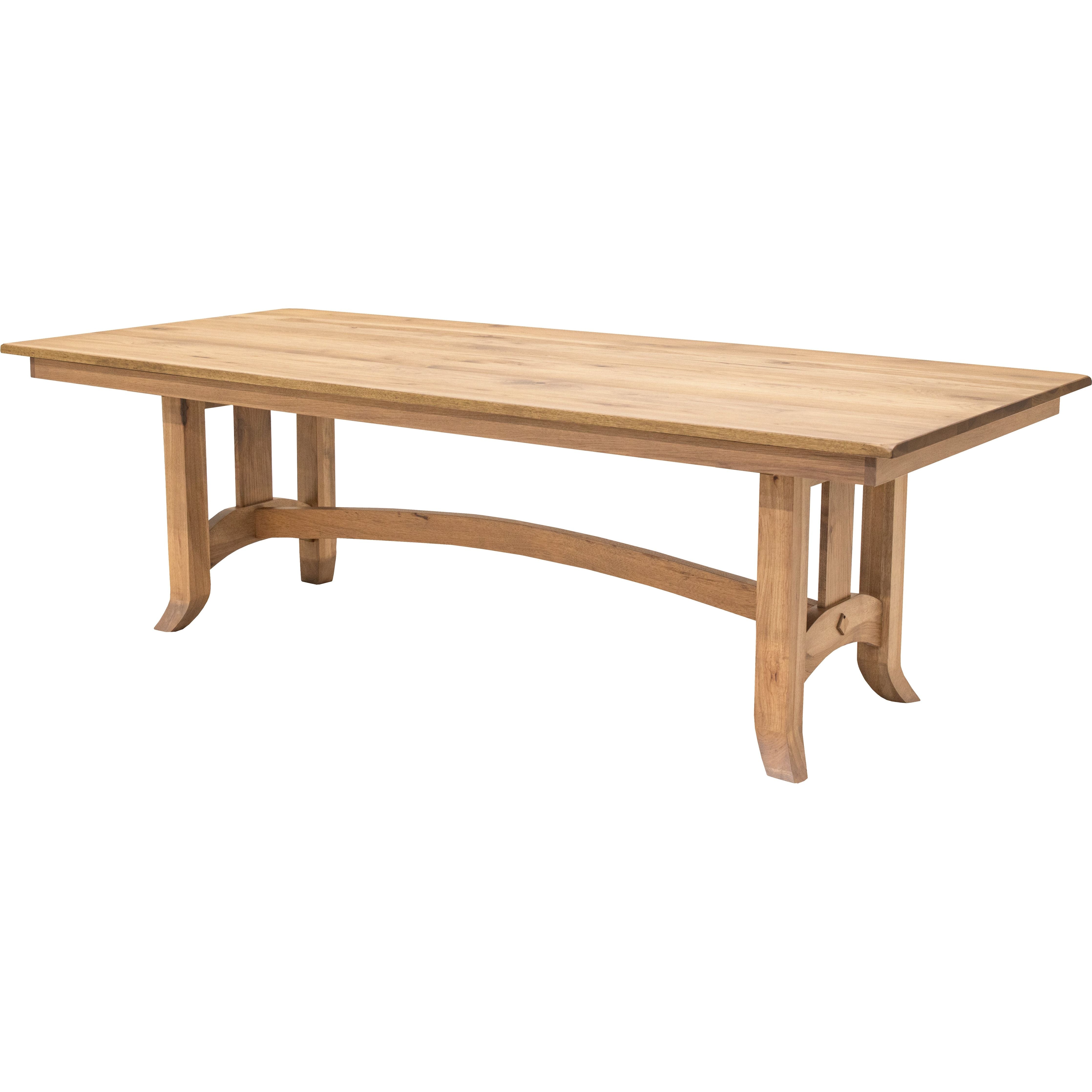
Standard rustic and farmhouse style dining tables often feature thicker, 1.25-1.5" plank style tops. Some tables feature built down tops instead of the traditional apron underneath and appear to be 2.5"-3" thick. We feature the built-down tops on the Farmhouse Trestle dining table and Hillside Double Pedestal table.
Leaves for an Extended Tabletop
Custom wood table tops are available for all Amish dining tables. This allows you to choose the perfect tabletop size for everyday and the number of leaves you need for hosting dinners. Amish craftsmen carefully test table bases to ensure that tables remain strong when extended. We offer a variety of sizes and guarantee the extended tabletop is durable and solid.
The number of leaves available varies by table style. Tables with legs at the corners generally have the greatest range in sizes. All leg tables that extend with leaves longer than 84" will have a leg in the center of the table for support. Some extra large tabletops may require extra support legs depending on the number of leaves you request.
Pedestal and trestle tables feature size options that allow chairs to fit neatly around the base. Ideal for larger spaces, trestle tables often start for 6-8 people everyday. Most common with 2-4 leaves, trestle tables may also feature custom wood table tops that extend for 20 people or more. Contact our knowledgeable sales team for more information regarding extra large tabletops.
What is the Best Finish for a Table Top?
Amish furniture makers recommend a catalyzed conversion varnish as the best finish for a wooden top table. This durable finish is waterproof, heat resistant to 220 degrees and UV resistant to fading over time. No more worries about cold drinks leaving a water ring on your tabletop. Catalyzed varnishes allow the wooden tabletop to expand and contract slightly through humidity changes without cracking the finish.
As you continue to shop for the best wood for a solid wood dining table, contact our team at Dutch Craft Furniture. Our team will walk you through the process, help you compare hardwood types or send wood samples in the mail. Whether you are looking for a small wood high top table, or a large heirloom dining table, we have you covered. Stop by our showroom in Ohio's Amish Country or give us a call today!