
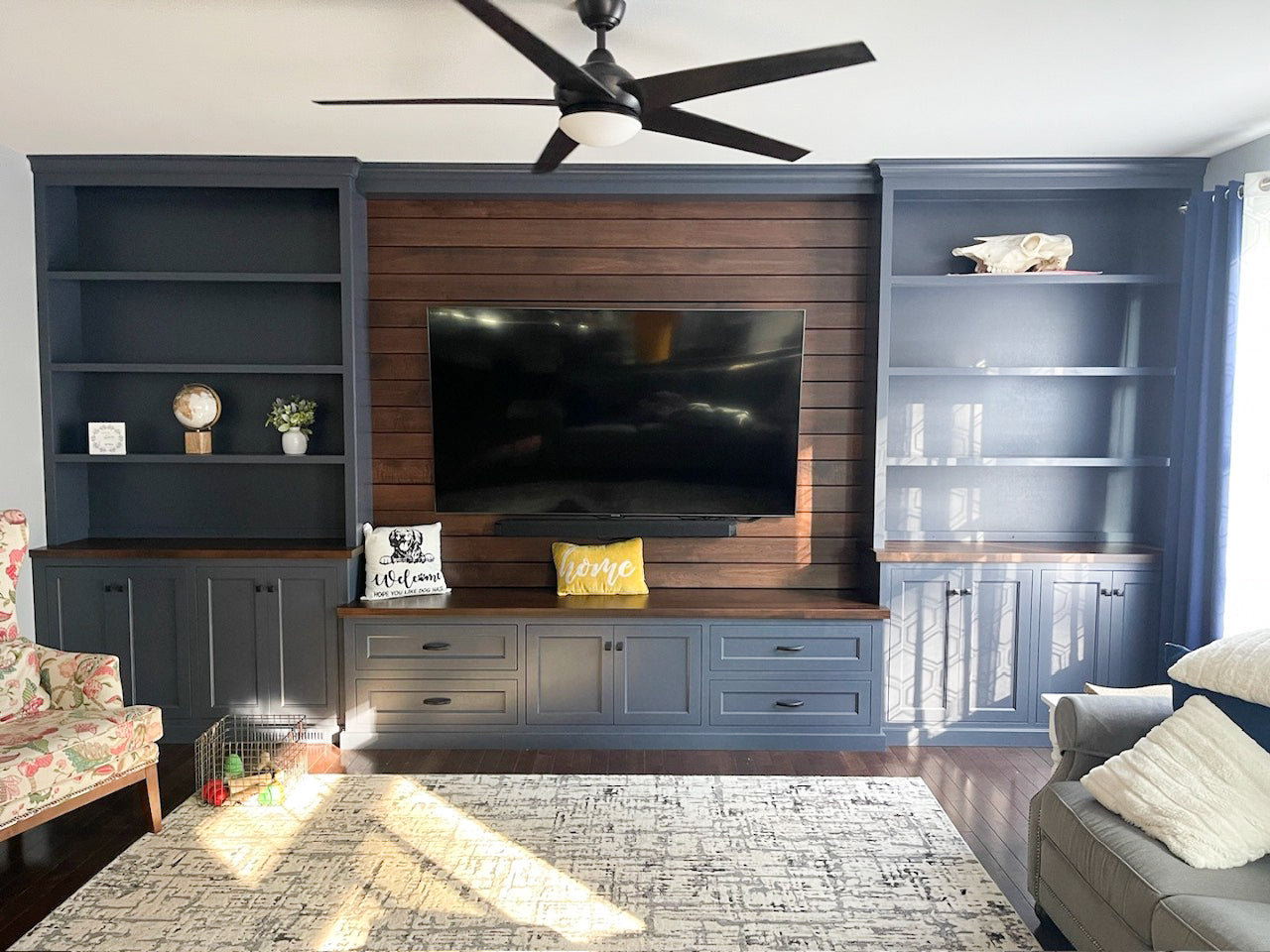

Tips for Choosing Furniture That Matches Your Home's Style
Need to furnish out a brand-new home? Or feel like the furniture you have in your current home feels disjointed from the architecture? It’s important to match the furniture you choose to not only your preferences, but to the layout and character of your home. This creates a more cohesive look from room to room. To help you choose furniture that matches your home's style, we’re here with practical tips.
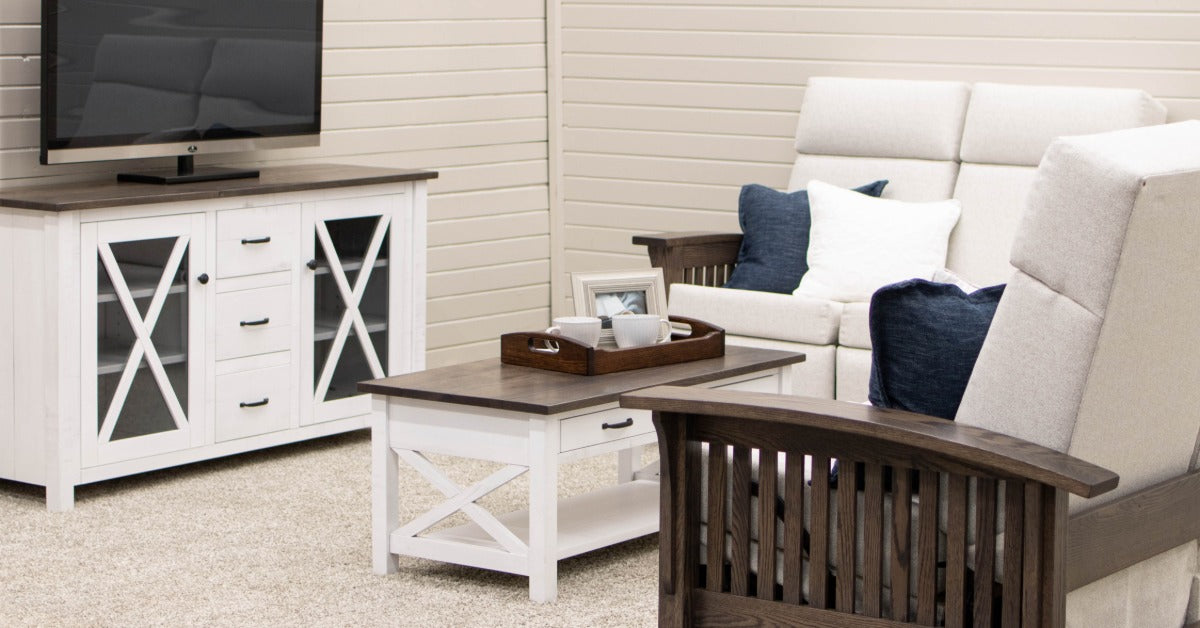
Let The Architecture Set the Direction
Your furniture should suit the kind of home it’s going into. In a house with strong architectural detail, a piece with very slim legs or a narrow frame may look undersized for the room. The room needs furniture with enough size and shape to hold its place.
That doesn’t mean you’re stuck buying furniture that copies the age of the house. A traditional room can still handle a simpler table or cabinet when the piece has the right proportions. The main thing is balance: the furniture shouldn’t look too small for the room around it, and it shouldn’t overpower the space either.

Match The Scale to the Room
Scale is how the size of a furniture piece relates to the size of the room. A large room can make small furniture look weak, while a smaller room can make oversized furniture feel cramped. The piece may be beautiful on its own, but it still has to fit the space around it.
Think about the room after the furniture is in place, not just the empty floor area. A dining table needs enough space around it for people to sit down and get back up without squeezing past the wall. When the size of the piece fits the room, the furniture looks intentional and the space works better for daily use.
Choose Lines That Match the Mood
The shape of a furniture piece should work with the shape of the room. If the room has simple trim and squared-off openings, a table with a clean profile will make sense there. If the room has more traditional detail, a piece with a heavier frame may look better than something thin and sharp.
This is where small design choices start to show. A cabinet with thick legs will read differently than one with a narrow base. A chair with a curved back will soften a room that already has a lot of hard edges. You don’t need every shape to match, but the main pieces should look like they belong in the same home.
Use Color to Connect the Space
Color should connect the furniture to the room without forcing every piece into the same shade. Start with the colors that already stay in place, such as flooring, cabinets, walls, or a large rug. Those fixed colors set the direction for bigger furniture choices.
If the room already has warm walls, cooler upholstery may look too sharp unless another part of the room supports it. If the room has deep colors, lighter furniture needs some connection nearby so it doesn’t look separate. A repeated color in a rug or chair fabric gives the eye a path through the room.
Choose Furniture That Fits Daily Life
Furniture should support the way you live, not just the way the room looks in a photo. A dining table has to work for weeknight meals before it works for holiday gatherings. A bedroom set has to give you storage that fits your routine, not storage that looks nice but leaves half your clothes without a home.
Think about who uses the room and what happens there each day. Families need pieces that hold up to real use. A home office needs furniture that supports focus without turning the room into a workplace cave. Style works best when it fits your day.

Give Each Room One Main Anchor
A room looks more settled when one main piece leads the design. In a dining room, the table becomes that anchor. In a bedroom, the bed carries the most visual weight. In a living room, the sofa sets the tone for the rest of the space.
After that anchor is in place, the supporting pieces should relate to it without competing for attention. A sideboard shouldn’t overpower the dining table. A nightstand shouldn’t pull attention away from the bed. When the anchor and supporting pieces have the right balance, the room looks planned instead of pieced together.
Mix Styles with Restraint
A home doesn’t need one strict style from room to room. A traditional home may still look good with a cleaner-lined table. A newer home may still support a classic hutch when the size, wood tone, and shape work with the space.
The key is to let one style lead. When every large piece has a different design direction, the room starts to look unsettled. If you want to mix styles, keep the largest pieces related in scale or material. Then the contrast looks intentional instead of random.
Think Through the View Between Rooms
Open floor plans make furniture choices more connected because several rooms show at the same time. From the kitchen, you may see the dining table, living room seating, and entryway pieces all in one view. Those pieces don’t need to match, but they should share a visual thread.
That thread may come from similar wood tones or repeated shapes. It may also come from a shared level of formality. If one room looks casual and the next looks very formal, the shift may look abrupt. A connected view makes the home easier on the eye as you move through it.
Leave Space for Your Own Taste
Your home’s architecture should guide the furniture, but it shouldn’t erase what you actually like. A room that follows every design rule but ignores your taste won’t serve you well. You live with the pieces every day, so they need to suit your routines and preferences.
The best choices sit between the home’s character and your personal style. If a piece fits the room’s size, works with the colors, and supports daily use, it deserves consideration. A home looks better when the furniture belongs to the space and to the people who live there.
Create A Home That Looks Connected
Hopefully, these tips will help you find furniture that matches your home’s style so you can create a warm, cohesive look. At Dutch Craft Furniture of Berlin, you’ll find Amish furniture from Berlin, Ohio that’s handmade out of solid wood. Our furniture looks beautiful in traditional-style homes thanks to its craftsmanship and natural character, but it also works in newer spaces with the right design choices. Shop our available collections today, or reach out to discuss a custom piece for your home.