

Tips for Adding Warmth to Your Dining Room

If you’ve been thinking about adding warmth to your dining room, the good news is you don’t need to rebuild the whole space to get there. A few smart changes can make the room feel softer, fuller, and more welcoming for weeknight dinners, holiday meals, and those evenings when people keep talking long after the plates are cleared.
Use a Rug to Soften the Room
A dining room can feel cold when every surface is hard. Wood, tile, and bare walls tend to make the space look a little stark, even when the furniture itself is beautiful.
A rug adds physical warmth by giving your feet a softer place to land when you walk to the table, stand during dinner prep, or sit through a long meal. Depending on the design, it can also add visual warmth. A Persian-style rug with deep reds and warm browns can make the room feel richer, while a muted floral pattern in rust, gold, or beige can give it a softer, more welcoming look. Larger rugs work better for adding warmth than one small rug or several scattered smaller rugs because they keep the table and chairs within one grounded, unified space.
Bring In Warmer Lighting
Lighting affects how a dining room feels because color temperature shapes mood. Light can read warm or cool, and people respond to those tones differently. Cool bulbs often give off a whiter or bluer cast that can make a dining room feel sharper and less relaxed. Warm bulbs give off a softer yellow-toned light that feels calmer and more inviting during meals. Before you buy anything, check the bulb’s color temperature so you don’t end up with lighting that works against the room.

Add More Warm Colors
On the topic of color psychology, color affects how you perceive a room. Warmer tones like terracotta, rust, deep cream, soft gold, and muted olive make a dining room feel more welcoming, while cooler grays and icy tones can make it feel more distant. This doesn’t just apply to wall paint. Curtains, rugs, seat cushions, artwork, and table linens all shape the color balance in the room. When those details repeat warmer shades, the space feels more comfortable and lived in.
Include More Soft Textures
Texture changes how a dining room comes across. When the room is full of smooth wood, glass, and bare walls, it can feel rigid and a little uninviting. Soft materials help balance that out. Upholstered chair seats, woven curtains, a fabric table runner, or padded cushions add a gentler surface and make the space feel more relaxed, which matters in a room where people are supposed to sit, eat, and stay awhile.
Add More Wood Tones
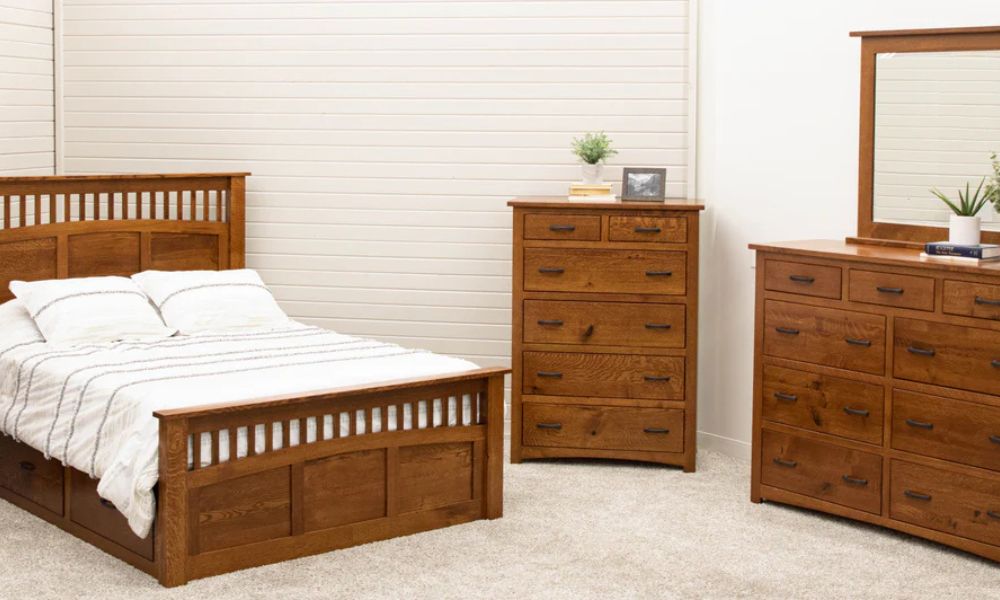
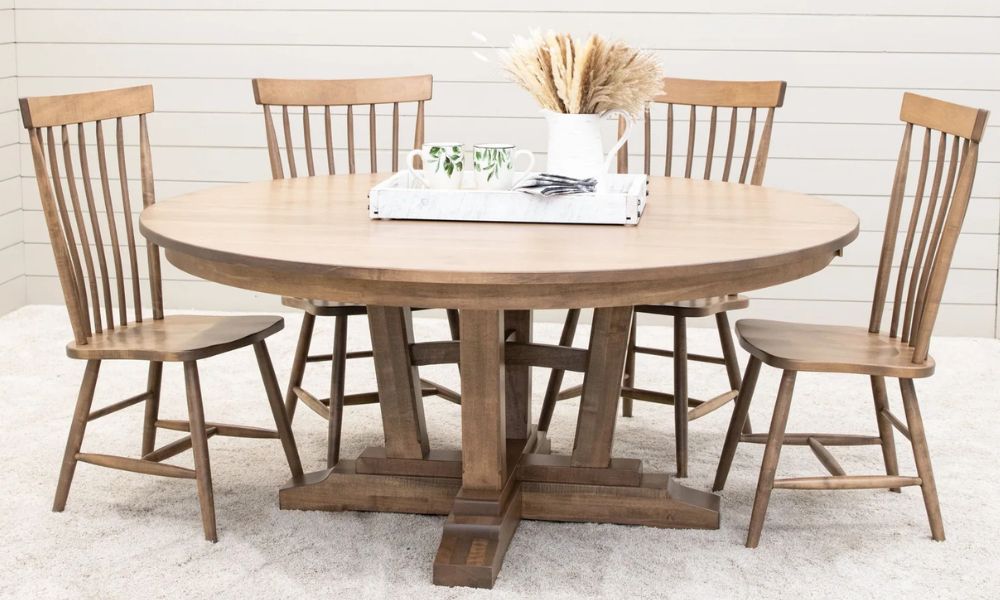
Materials like metal, glass, and concrete feel cleaner and more modern, but they can also make a room feel harder and less inviting when they take over the space. Wood makes a dining room feel warmer because it’s a natural material with visible grain, depth, and variation. That organic texture keeps the room from feeling flat or overly polished. Even one or two added wood elements, like a sideboard, wall shelves, or wooden frames, can make the space feel fuller and more welcoming.
Hang Window Treatments
Bare windows leave a lot of exposed glass in a dining room, and glass doesn’t do much to make a space feel warm. It reflects light, looks hard, and can make the room feel a little plain when there’s nothing there to soften it. Window treatments fix that by adding fabric, color, and fullness around the edges of the room. They also soften incoming daylight instead of letting it hit the space at full strength. As a result, the light spreads through the room in a softer way, which makes the space feel less stark and more comfortable.
Add Personal Details to the Room
A dining room feels warmer when it looks lived in instead of staged. Personal details do that by giving the space some identity. Framed family photos, handmade pottery, inherited serving pieces, or artwork you actually chose for a reason make the room feel more familiar and welcoming. They also break up large empty wall areas and bare surfaces, which can make a dining room feel stiff. When the room reflects the people who use it, it feels more comfortable to gather there.

Use Artwork with Warmer Tones
Large empty walls can make a dining room feel plain and a little cold. Artwork helps by adding color, depth, and something visually interesting above a sideboard or along the main wall. Pieces with warm browns, muted reds, soft golds, terracotta, or creamy neutrals bring in color without making the room feel busy. That warmth spreads through the space visually, especially when those same tones show up in the rug, curtains, or seat cushions.
Bring In Natural Greenery
A dining room can start to feel flat when every element is wood, fabric, or wall color. Greenery adds life to the space, which makes it feel fresher and more welcoming. A leafy plant in the corner, a vase of branches on the table, or a simple arrangement of seasonal greens introduces organic shape and movement. That contrast helps soften the room because plants don’t have the hard lines or fixed surfaces that furniture and walls do.
Make The Room Feel More Welcoming
When a dining room feels warm, people want to stay in it. The space feels better during everyday meals, it looks better when family comes over, and it has more personality than a room with nothing but a table and chairs. If you’re serious about adding warmth to your dining room, start with details that soften hard surfaces, bring in richer color, and make the room feel lived in.
Need furniture to add warmth to your dining room? Shop Dutch Craft Furniture of Berlin. We sell Amish dining room furniture in Ohio. All our furniture is made-to-order by talented, hardworking artisans. The rich wood our craftsmen use has a deep, natural feel to it, which can make your dining room feel cozier and more welcoming, just as you want it to be.