

A Complete Guide to Caring for Your Solid Wood Furniture

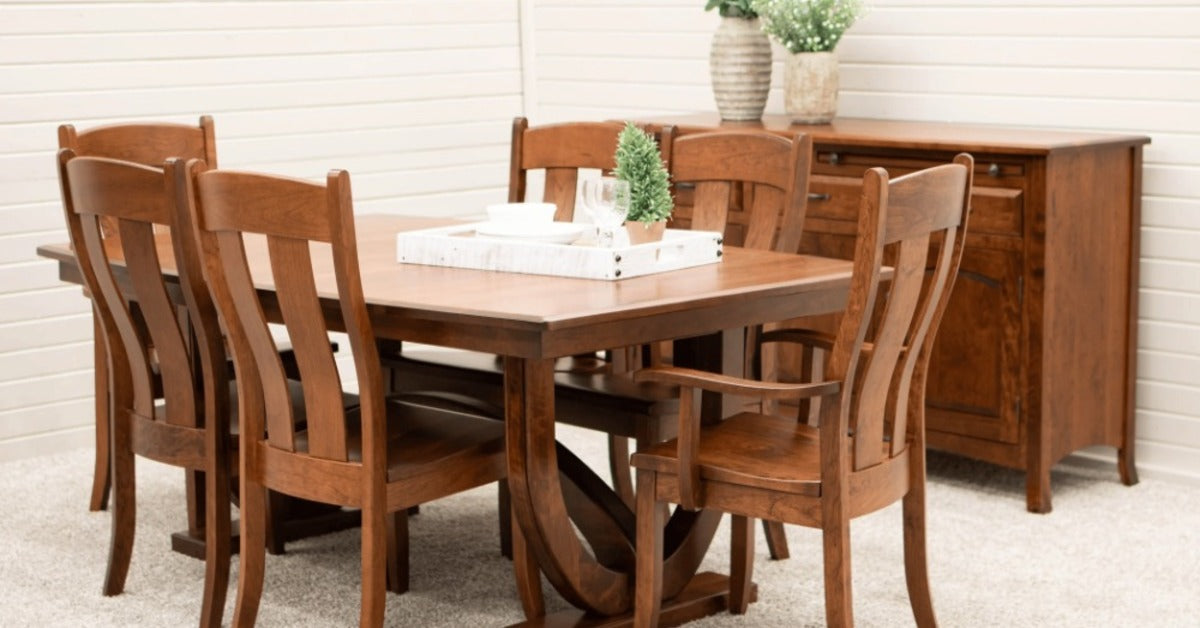
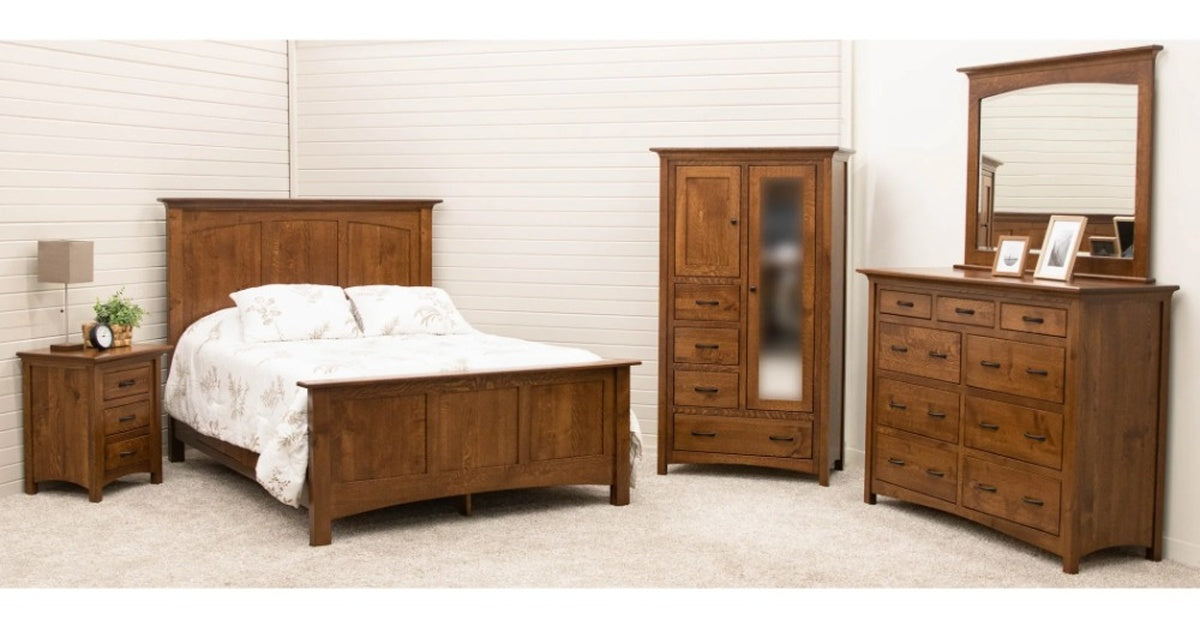
Solid wood furniture is beautiful, with its rich grain patterns, warm natural tones, and joints built to outlast plywood or veneer pieces! But it can require a little more care compared to furniture made from composite materials to keep that finish looking its best for decades. To help you keep every piece looking as good as the day you brought it home, here’s a complete guide to caring for your solid wood furniture.
Humidity Swings Cause Wood to Warp and Crack
Wood absorbs and releases moisture depending on the air around it. When humidity drops in winter, furniture shrinks slightly and can develop small cracks along the grain. When humidity rises in summer, the same wood swells, which sometimes makes drawers stick or joints loosen.
Running a humidifier during dry months and a dehumidifier during damp ones keeps the moisture level in your home within a range wood can handle without warping. Placing furniture a few inches away from vents and radiators also cuts down on the temperature swings that speed up this cycle.
Direct Sunlight Deepens Wood Tones
Direct exposure to ultraviolet light may change the color of your solid wood furniture slightly. This color change varies greatly depending on the wood type and stain color you choose. Cherry wood with a clear natural finish or light stain is most noticeable, with deeper reddish tones developing with ultraviolet light. Most hardwoods including Oak and Hickory show enhanced golden tones over time and exposure to light.
Older wood finishes often fade or yellow with exposure to light, while catalyzed conversion varnishes protect against this. Most hardwood furniture featuring this catalyzed varnish changes little to no color over time. Ask your sales representative for assistance in choosing a stain color and wood type that maintains the look you love.
Dust Buildup Scratches the Surface Over Time
Dust looks harmless sitting on a tabletop, but it’s made up of tiny particles with sharp edges, including sand and hardened skin cells. When you wipe a dusty surface with a dry cloth, those particles drag across the finish and leave micro-scratches that build up over years.
A soft microfiber cloth picks up dust without grinding it into the wood, and a light pass once or twice a week keeps grit from settling into the grain.
Not All Furniture Polish Is Good for Wood

Before attempting to touch up a wooden furniture item, make sure you know what type of finish was originally applied. Polishes and wood conditioners may react to the original finish causing more damage than repair. We do not recommend any polishes on furniture featuring a catalyzed conversion varnish.
Many polishes sold for wood furniture contain silicone, which sits on top of the finish and blocks it from breathing properly. Over time, this buildup traps dust and creates a hazy film that’s difficult to remove without stripping the whole finish down.
Silicone also makes future refinishing harder because it seeps into small pores in the wood and resists sanding and staining. A simple mix of mineral oil or a wax made for wood furniture nourishes the finish without leaving that residue behind.
Coasters Prevent Water Rings
Water rings show up when moisture from a glass sits against the finish long enough to leave a cloudy mark. In many cases, the wood underneath isn’t damaged; the moisture is trapped in the finish above it. Some light rings fade after the furniture sits in a dry room for a few days.
A coaster keeps condensation from reaching the surface in the first place, which makes it one of the easiest ways to avoid those marks. The catalyzed conversion varnish on Amish furniture is absolutely guaranteed against all types of water rings. We replace the furniture, no questions asked, if your tabletop or side tables show water rings.
Heat Sources Dry Out the Wood
Wood furniture placed too close to a fireplace, radiator, or heating vent loses moisture faster than the wood can replace it from the surrounding air. This causes the grain to tighten and leads to cracking, especially at joints where two pieces of wood meet at different angles.
A distance of at least a few feet between furniture and any heat source gives the wood room to stay at a stable temperature. If a piece already sits near a vent, a small humidifier nearby offsets some of the moisture loss the heat causes.
Felt Pads Protect Both Furniture and Floors
Chair legs and table feet grind against flooring every time furniture gets moved, even just an inch during cleaning or rearranging. Without a buffer, that friction wears down the finish on the furniture legs and scratches hardwood or tile underneath.
Felt pads attached to the bottom of each leg create a cushion between the two surfaces, so movement doesn’t leave marks on either one. They’re inexpensive and easy to replace once they wear thin or fall off, which happens faster on pieces that get moved often, like dining chairs.
How to Restore a Tired Finish

Over years of use, a wood finish loses some of its shine as the outer layer wears down from cleaning, sunlight, and everyday contact. Solid wood furniture may be sanded to remove all the old finish, smoothing out small scratches and dents in the wood as well. A new coat of the durable, waterproof finish and your furniture will look brand new.
Be Wiped Up Right Away
Liquid can leave a mark when it sits long enough to reach worn or exposed areas of the wood. Drinks with strong color, such as wine or coffee, can leave a darker stain than plain water. Blot the spill with a dry cloth right away, then use a slightly damp cloth to pick up any residue that remains.
Minor Scratches and Dents Can Be Repaired at Home
Small scratches don’t always call for professional repair. If the mark stays within the finish, a wax filler stick in a close wood tone can make the scratch much less noticeable. A deeper dent is different because pressure compresses the wood fibers beneath the surface. In some cases, moisture and gentle heat can raise those fibers closer to their original position. If a scratch cuts through to bare wood, a stain marker in a similar shade can disguise the exposed spot until the furniture needs a full refinish.
Keep Solid Wood Looking Good for Years
With these tips, you can maintain your solid wood furniture without turning furniture care into another chore hanging over your week. Don’t let the extra upkeep scare you away from a long-lasting option! With a little attention to how you clean it and use it, solid wood can stay beautiful through years of everyday meals and family life.
At Dutch Craft Furniture of Berlin, we sell handcrafted Amish furniture made from American hardwoods such as oak and maple. Shop our furniture for your home today!