

9 Different Types of Wood To Consider for Your Dining Table
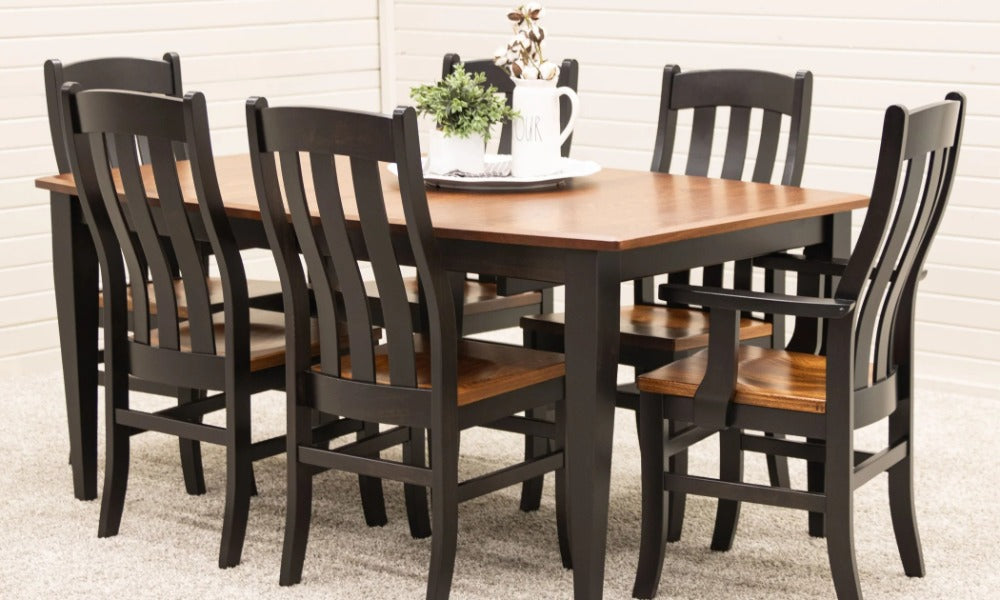
Wooden dining tables are beautiful, versatile, and durable! But choosing the right wood for your dining room isn't always simple, especially when there are so many varieties available. Each has its own appearance and characteristics, so you'll want to think about what you prefer before making a decision.
What types of wood should you consider for your dining table? Here are nine excellent options that offer plenty of personality and lasting durability! Whether you prefer a traditional dining room or something more modern, there's a wood variety that belongs on your list.
Red Oak
Red oak is a traditional favorite for dining tables, and its distinctive grain is one reason people continue choosing it. The wood features prominent grain lines that create interesting patterns across the tabletop. Its natural coloring ranges from light brown to pinkish tones.
Beyond its appearance, red oak offers excellent durability for everyday dining. Its pronounced grain texture makes minor scratches less obvious.

White Oak
White oak has a lot in common with red oak, but its coloring and grain give it a somewhat different appearance. Its natural tones lean toward light brown, with less of the pinkish coloring associated with red oak.
It's slightly harder than red oak, making it another excellent option for a dining table that receives daily use. The prominent grain adds texture without requiring elaborate furniture details.
White oak has become a popular option for modern dining rooms, especially when finished in lighter colors. Its understated coloring pairs nicely with contemporary furniture.
Quarter-Sawn White Oak
Quarter-sawn white oak comes from the same tree species as regular white oak. However, the lumber is cut at a different angle, creating a distinctive grain pattern that sets it apart.
The cutting process produces straighter grain lines and sometimes reveals decorative markings called ray flecks. These markings appear as lighter, irregular patterns across the wood's surface.
Quarter-sawn white oak is especially popular in Mission-style dining furniture, where the grain contributes to the overall design. It's resistant to warping compared with conventionally sawn oak, too.
If you appreciate traditional woodworking and want a tabletop with interesting natural details, this variety deserves a closer look. Its distinctive grain gives even simple dining table designs plenty of personality.
Cherry
Cherry wood brings a warm, inviting appearance to dining rooms. Its natural coloring begins with reddish-brown undertones that gradually deepen as the wood ages.
Sunlight contributes to this darkening process, giving cherry furniture a richer appearance over time. Because the color develops naturally, two tables made from cherry may look somewhat different depending on their age.
Cherry has a relatively smooth grain, which gives dining tables a more uniform surface than oak. You'll find it in many traditional dining table designs, especially those with decorative legs.
Although cherry is softer than oak, it's still a durable hardwood. Its warmth and graceful aging make it an appealing choice for a dining table.
Maple
Maple is an excellent option when you want a dining table with a smooth grain and plenty of finish choices. Its natural coloring is relatively light.
Unlike oak, maple doesn't have pronounced grain lines across its surface. This subtle texture gives the tabletop a more uniform appearance, which complements furniture with simple designs.
Maple is especially popular for dining tables with painted bases. Its smooth grain allows paint to create an even finish without prominent wood texture underneath.
It's a versatile hardwood that complements both casual dining spaces and more formal settings, depending on the finish you select. Its understated appearance gives you plenty of flexibility when decorating the surrounding room.

Hickory
Hickory is one of the hardest domestic hardwoods commonly used for furniture. Its impressive resistance to dents makes it an excellent choice for dining tables that receive frequent use.
However, durability isn't its only attraction. Hickory has dramatic natural color variations, sometimes showing very light areas alongside considerably darker wood.
Rustic hickory features visible knots that give the tabletop additional character. If you'd prefer a more uniform appearance, select-grade hickory offers fewer natural markings.
Hickory complements farmhouse dining rooms, although its distinctive coloring works in contemporary designs, too. Its combination of hardness and distinctive coloring makes it a favorite for families.
Walnut
Walnut stands out for its naturally dark coloring, which ranges from medium brown to deeper chocolate tones.
Its grain is generally smooth, although gentle waves sometimes create interesting patterns across the tabletop. A natural finish allows these details to remain visible without dramatically changing the wood's appearance.
Walnut is especially popular for modern dining tables because its dark coloring complements simple furniture silhouettes. It creates an elegant appearance without requiring elaborate decorative details.
It's typically more expensive than several other domestic hardwoods, but its distinctive natural color makes it an appealing investment. A walnut table can become a beautiful centerpiece without requiring much additional decoration.
Elm
Elm doesn't receive as much recognition as oak or maple, but its grain gives it an appearance that's difficult to overlook. The wood features distinctive, interlocking grain patterns that sometimes resemble delicate feathers. These patterns give elm dining tables an interesting appearance without requiring additional decoration.
Elm's interlocking grain contributes to its resistance to splitting, although it can make woodworking more demanding. Its natural character gives furniture makers plenty of opportunities to create distinctive tabletops.
If you want something less conventional than the hardwoods commonly found in dining rooms, elm offers an appealing alternative. It pairs nicely with contemporary tables that feature simple bases.
Reclaimed Oak
Reclaimed oak offers something that freshly milled lumber doesn't: natural markings from its previous use. The wood comes from older structures or furniture and receives new life as a dining table.
Depending on its history, reclaimed oak may feature weathered coloring or visible nail holes. These characteristics give each tabletop an individual appearance that new lumber can't duplicate exactly.
Reclaimed oak complements rustic dining rooms, where its weathered appearance fits comfortably with casual furniture designs. Its existing markings give the table character without requiring elaborate construction details.
It's an excellent option if you appreciate wood with some history. You're getting the durability of oak alongside markings that reflect how the material was previously used.
Find the Right Wood for Your Dining Room
These are some of the wood types we recommend for your dining table! All are beautiful hardwood options that offer lasting durability and their own unique characteristics. The best choice depends on your preferred appearance and how you plan to use your table.
At Dutch Craft Furniture of Berlin, we sell handmade hardwood dining tables in many of these wood varieties. Shop our available styles and material options to find a table you'll love for years, or contact us about a fully custom dining table today!